

Essential details
Quantity(pieces):25
Lead time:45 days
Shipping:Land transportation, sea transportation
Product Introduction
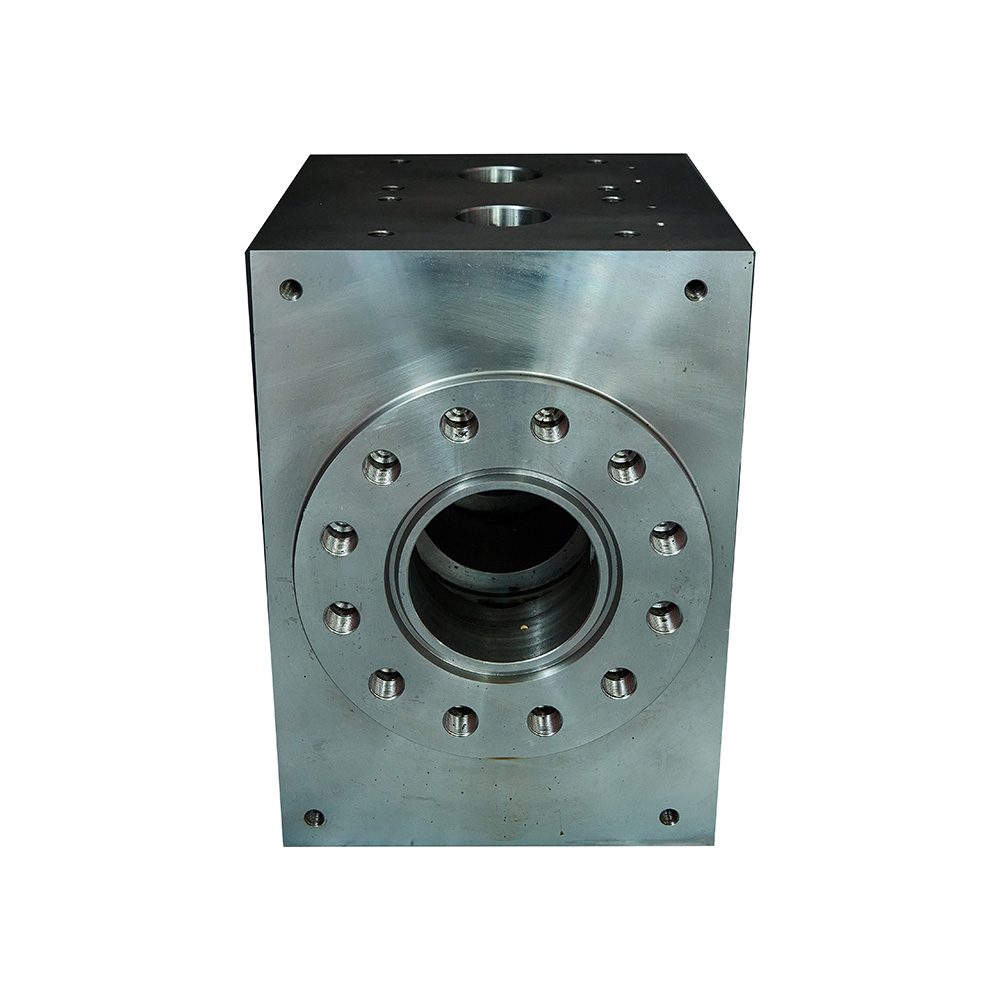
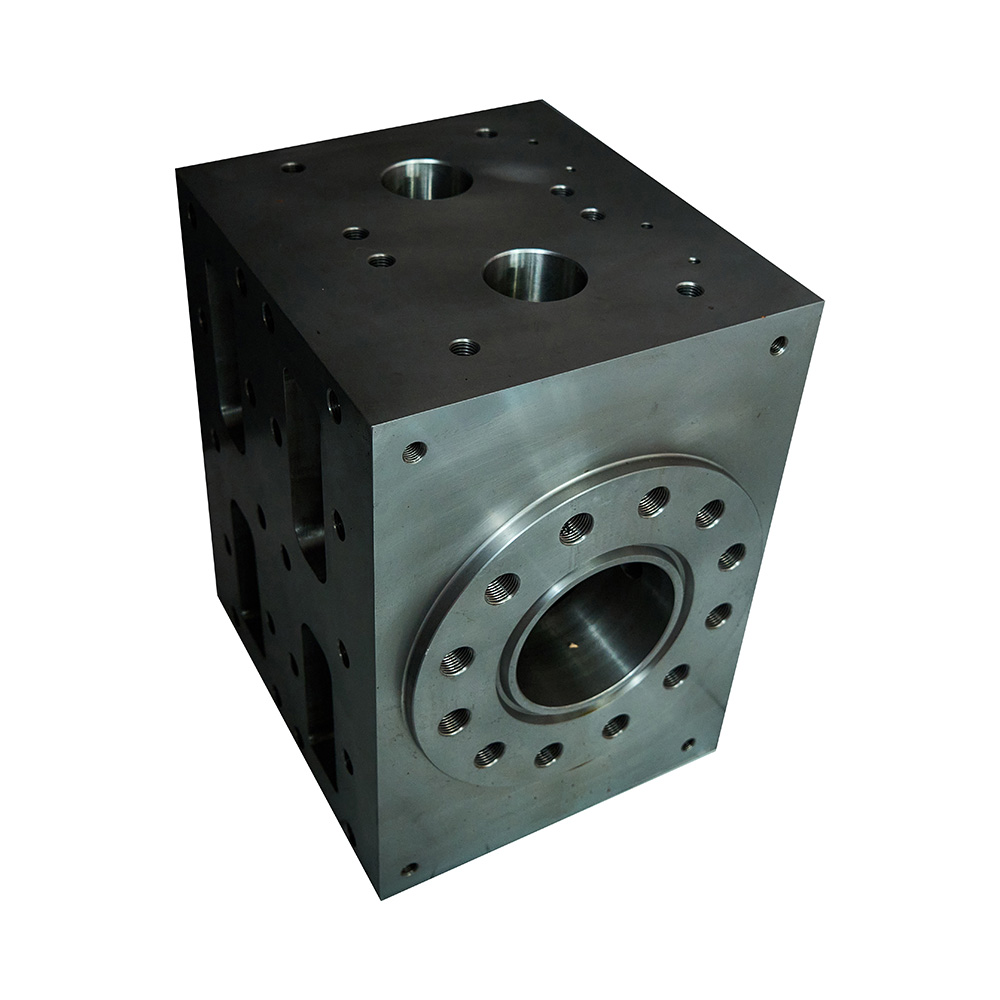
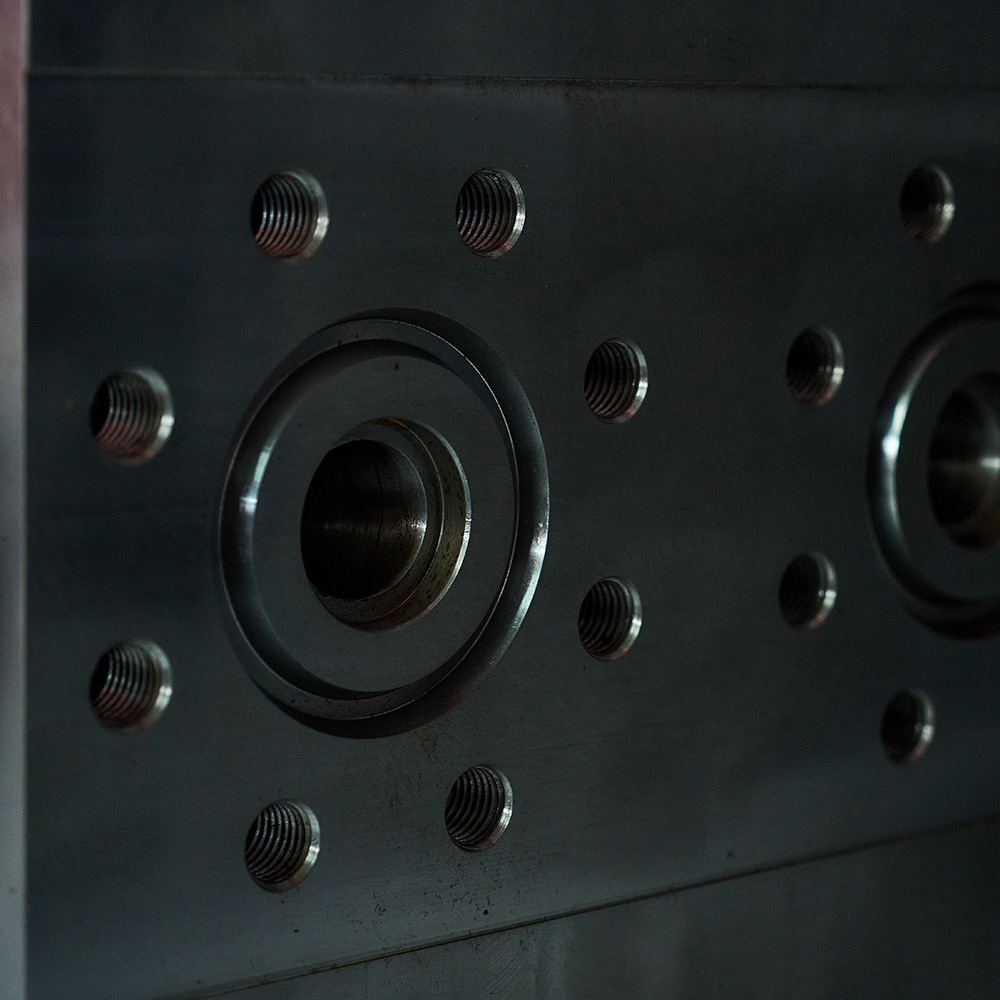
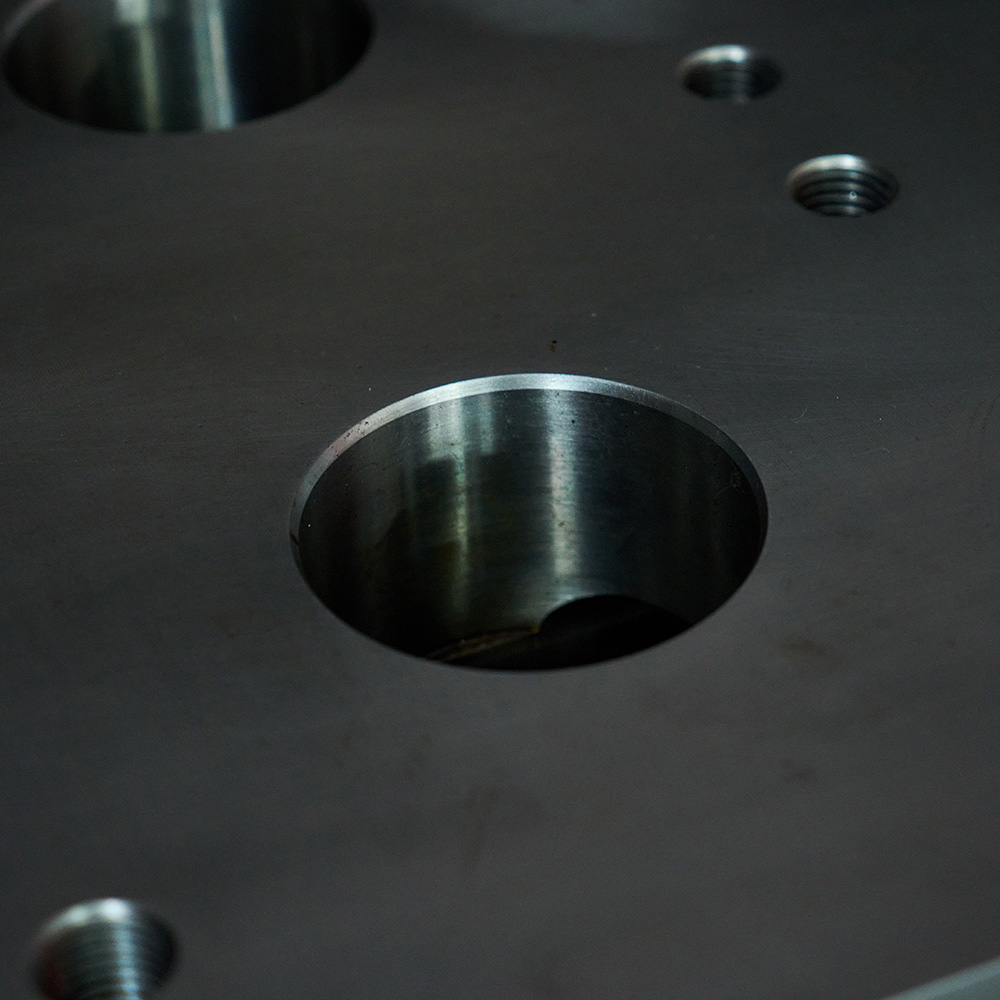
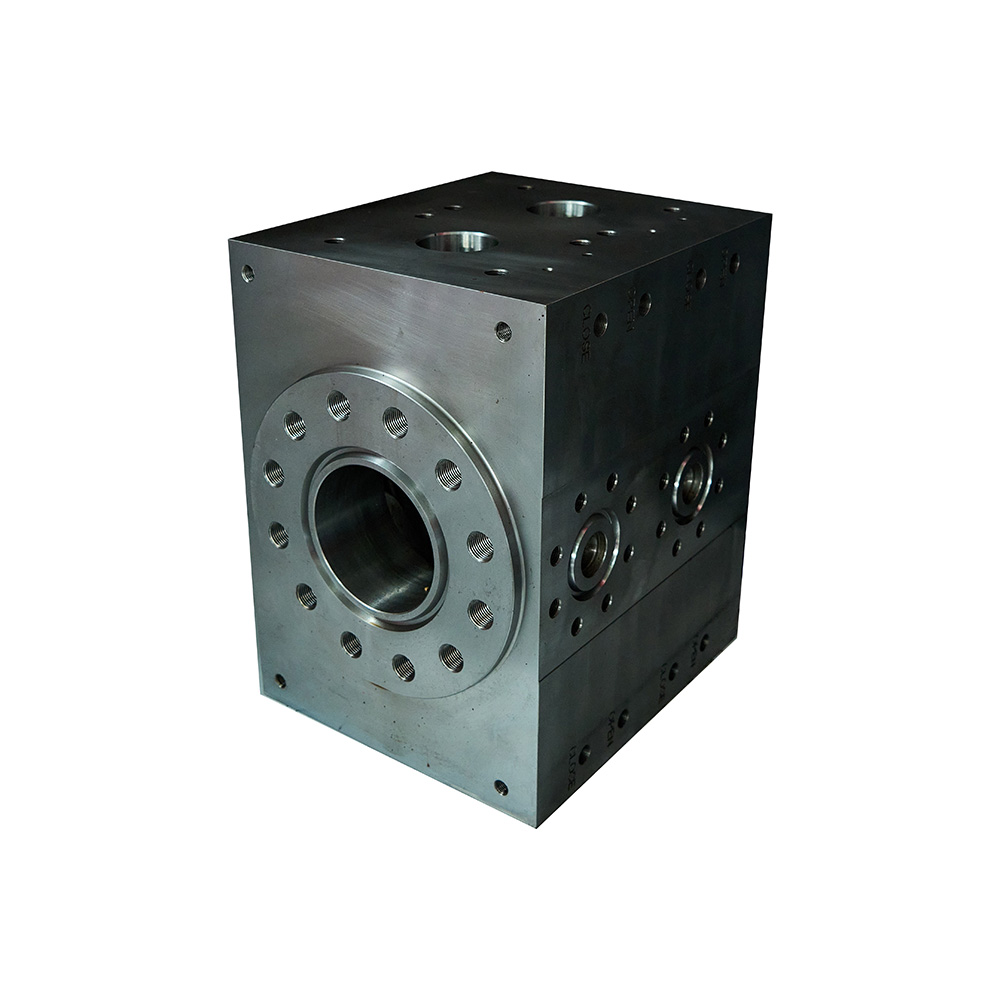
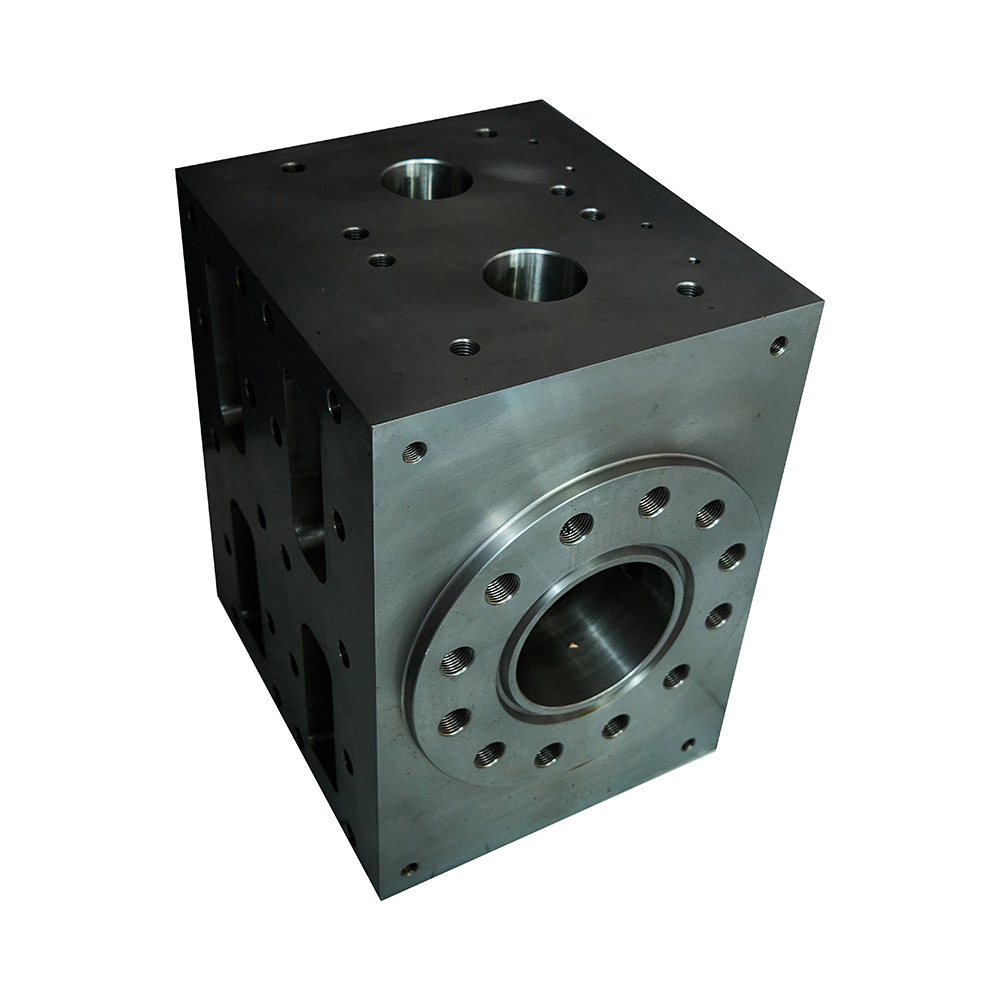
The main body of the pressurized tubing blowout preventer is a key component in pressurized operation equipment. It is primarily used to control the sealing of the wellhead during pressurized tubing operations, prevent the spraying of high-pressure oil, gas, water, and other fluids from the well, and ensure operational and environmental safety.
Structural Composition
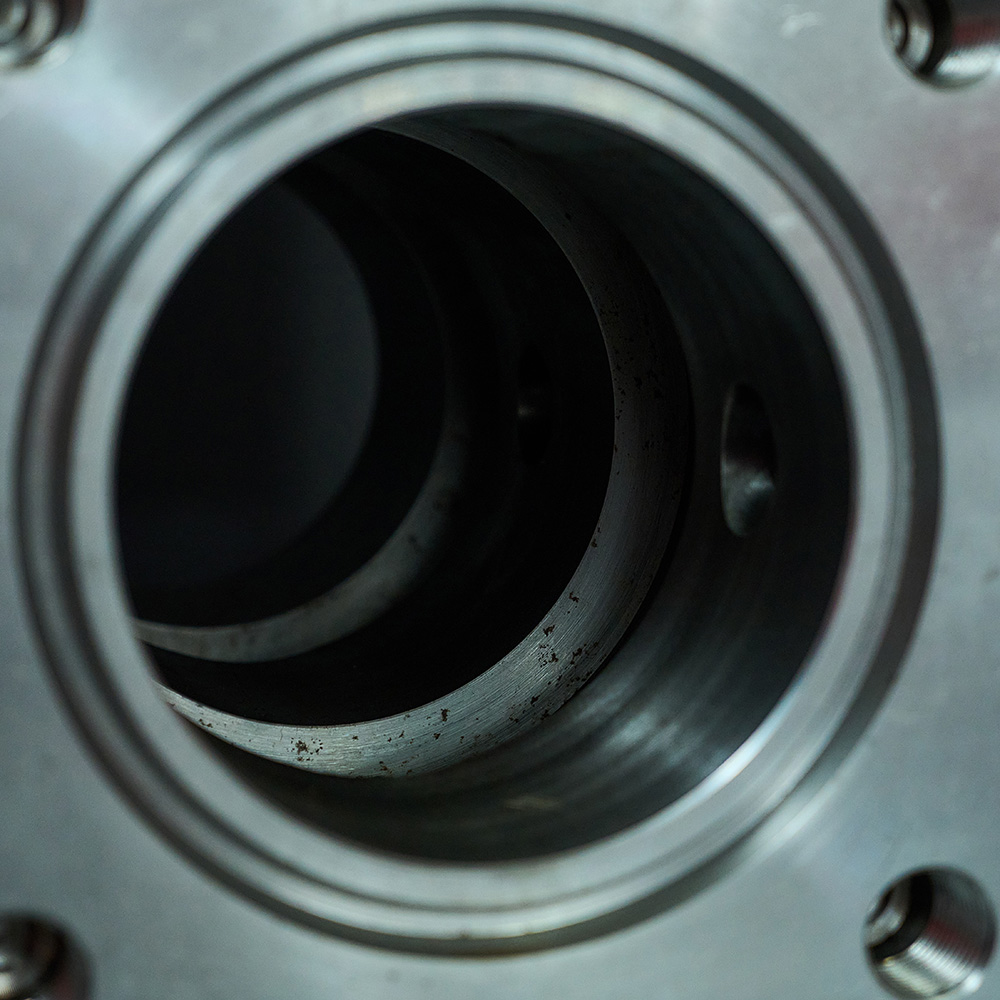
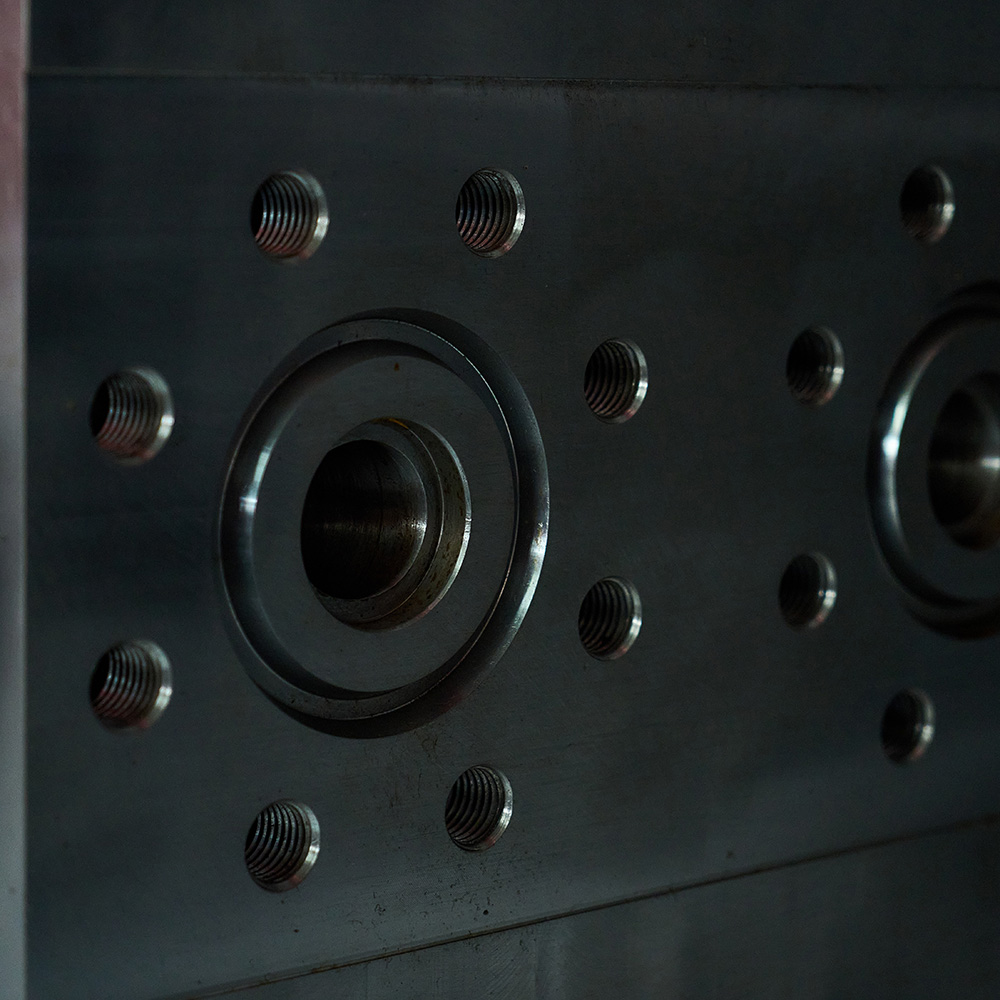
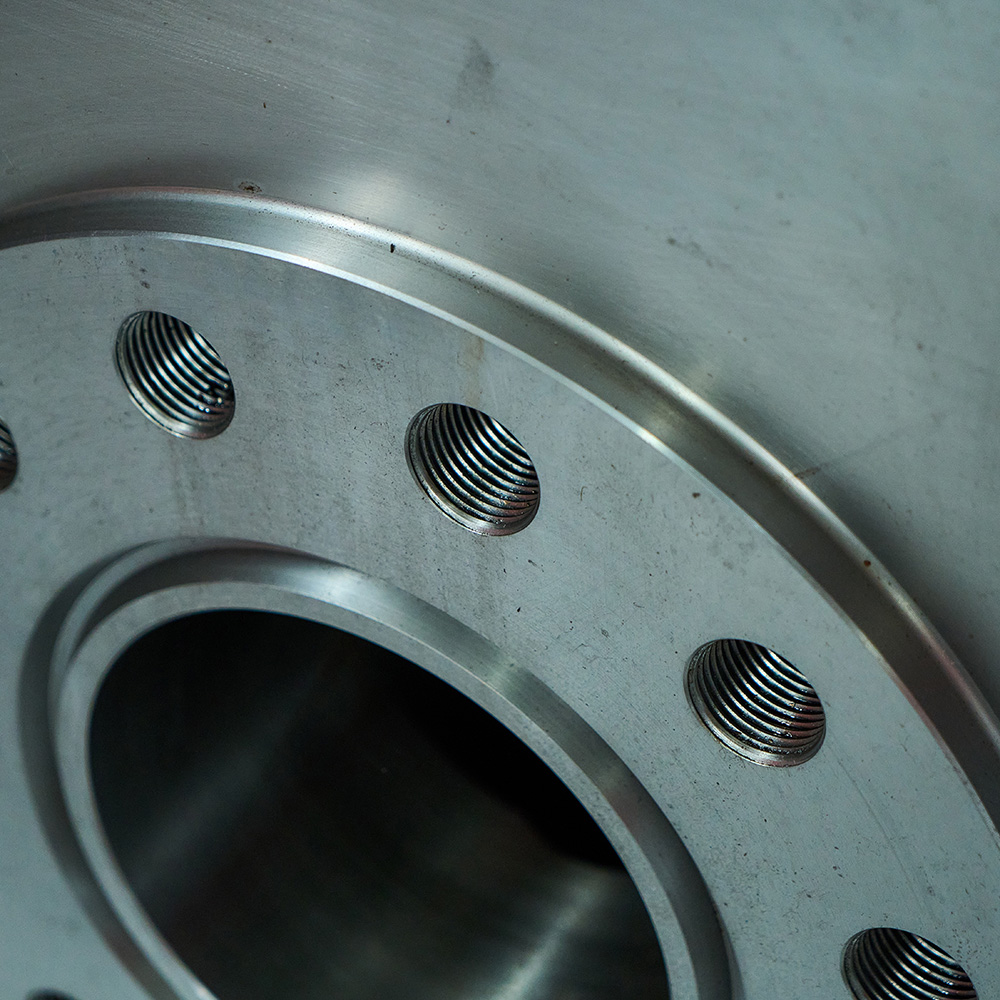
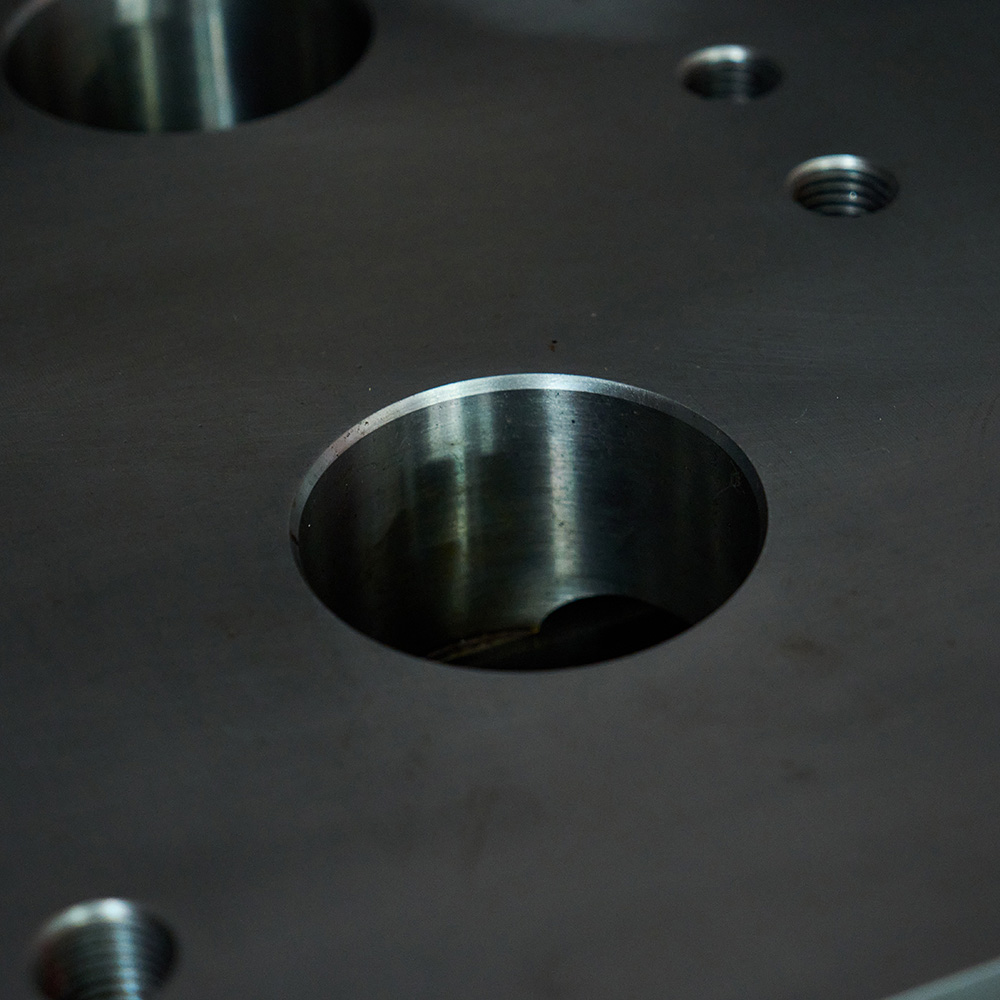
Shell: Usually forged with high-strength alloy steel, it has sufficient strength and toughness to withstand high pressure. Its interior is designed with precise chambers and channels to accommodate and guide the movement of other components and provide a reliable support structure for the seal.
Gate or rubber core: It is the core component to achieve wellhead sealing. The gate of the gate blowout preventer has a variety of types such as full seal, semi-seal, variable diameter and shear, which can be selected according to different operation requirements. The annular blowout preventer forms a seal at the wellhead through a special shape of rubber core, such as a conical or spherical rubber core. When there is a tubing in the well, the rubber core of the semi-closed gate or annular blowout preventer can embrace the tubing to achieve the sealing of the annular space between the tubing and the wellbore; when there is no tubing in the well, the fully closed gate can close the entire wellhead.
Piston and Cylinder: The hydraulic system injects high-pressure oil into the cylinder, pushing the piston to move. This action drives the gate or rubber core to open and close. The design of the piston and cylinder must ensure smooth and sealed movement for reliable blowout preventer operation.
Seals: Located in various critical areas, such as between the gate and the housing, between the piston and the cylinder, and between the side door and the housing. These seals prevent well fluid from leaking outside the blowout preventer or into the hydraulic system, ensuring the blowout preventer's sealing performance.
Working Principle
Closing Process: When overflow, well gushing, etc. occur in the well and the well needs to be sealed, the hydraulic control system delivers high-pressure oil to the cylinder closing chamber of the blowout preventer. High-pressure oil pushes the piston upward. For the gate blowout preventer, the piston drives the gate to move along the gate chamber track toward the center of the wellhead, so that the front seal rubber core of the gate is squeezed and deformed to seal the front part, and the top seal rubber core and the shell are compressed by interference to form the top of the seal, forming an initial seal; when there is pressure at the wellhead, the well pressure pushes the front seal of the gate from the rear of the gate to further squeeze and deform, and at the same time, the well pressure pushes the gate from the bottom to float and close to the upper sealing surface of the shell, forming a reliable seal, that is, the well pressure assists the seal. For the annular blowout preventer, the piston moves upward to make the rubber core move upward along the spherical surface or move closer to the center under the restriction of the top cover and the squeezing action of the inner cone of the piston, tightening and embracing the oil pipe, so as to achieve the sealing of the annular space between the oil pipe and the wellbore or fully seal the wellhead.
Opening Process: When it is necessary to open the wellhead to continue operations, the hydraulic control system switches high-pressure oil to the opening chamber of the oil cylinder, pushing the piston downward. The gate or rubber core then resets under its own elastic force and the well pressure, opening the wellhead.
Shell: Usually forged with high-strength alloy steel, it has sufficient strength and toughness to withstand high pressure. Its interior is designed with precise chambers and channels to accommodate and guide the movement of other components and provide a reliable support structure for the seal.
Gate or rubber core: It is the core component to achieve wellhead sealing. The gate of the gate blowout preventer has a variety of types such as full seal, semi-seal, variable diameter and shear, which can be selected according to different operation requirements. The annular blowout preventer forms a seal at the wellhead through a special shape of rubber core, such as a conical or spherical rubber core. When there is a tubing in the well, the rubber core of the semi-closed gate or annular blowout preventer can embrace the tubing to achieve the sealing of the annular space between the tubing and the wellbore; when there is no tubing in the well, the fully closed gate can close the entire wellhead.
Piston and Cylinder: The hydraulic system injects high-pressure oil into the cylinder, pushing the piston to move. This action drives the gate or rubber core to open and close. The design of the piston and cylinder must ensure smooth and sealed movement for reliable blowout preventer operation.
Seals: Located in various critical areas, such as between the gate and the housing, between the piston and the cylinder, and between the side door and the housing. These seals prevent well fluid from leaking outside the blowout preventer or into the hydraulic system, ensuring the blowout preventer's sealing performance.
Working Principle
Closing Process: When overflow, well gushing, etc. occur in the well and the well needs to be sealed, the hydraulic control system delivers high-pressure oil to the cylinder closing chamber of the blowout preventer. High-pressure oil pushes the piston upward. For the gate blowout preventer, the piston drives the gate to move along the gate chamber track toward the center of the wellhead, so that the front seal rubber core of the gate is squeezed and deformed to seal the front part, and the top seal rubber core and the shell are compressed by interference to form the top of the seal, forming an initial seal; when there is pressure at the wellhead, the well pressure pushes the front seal of the gate from the rear of the gate to further squeeze and deform, and at the same time, the well pressure pushes the gate from the bottom to float and close to the upper sealing surface of the shell, forming a reliable seal, that is, the well pressure assists the seal. For the annular blowout preventer, the piston moves upward to make the rubber core move upward along the spherical surface or move closer to the center under the restriction of the top cover and the squeezing action of the inner cone of the piston, tightening and embracing the oil pipe, so as to achieve the sealing of the annular space between the oil pipe and the wellbore or fully seal the wellhead.
Opening Process: When it is necessary to open the wellhead to continue operations, the hydraulic control system switches high-pressure oil to the opening chamber of the oil cylinder, pushing the piston downward. The gate or rubber core then resets under its own elastic force and the well pressure, opening the wellhead.
As a petroleum machinery manufacturer, our company also produces Blowout Preventer, Manifold, Cellar Connection, Valve, Pipe Fitting, and Control Apparatus, etc.
Please contact us if needed.
Please contact us if needed.
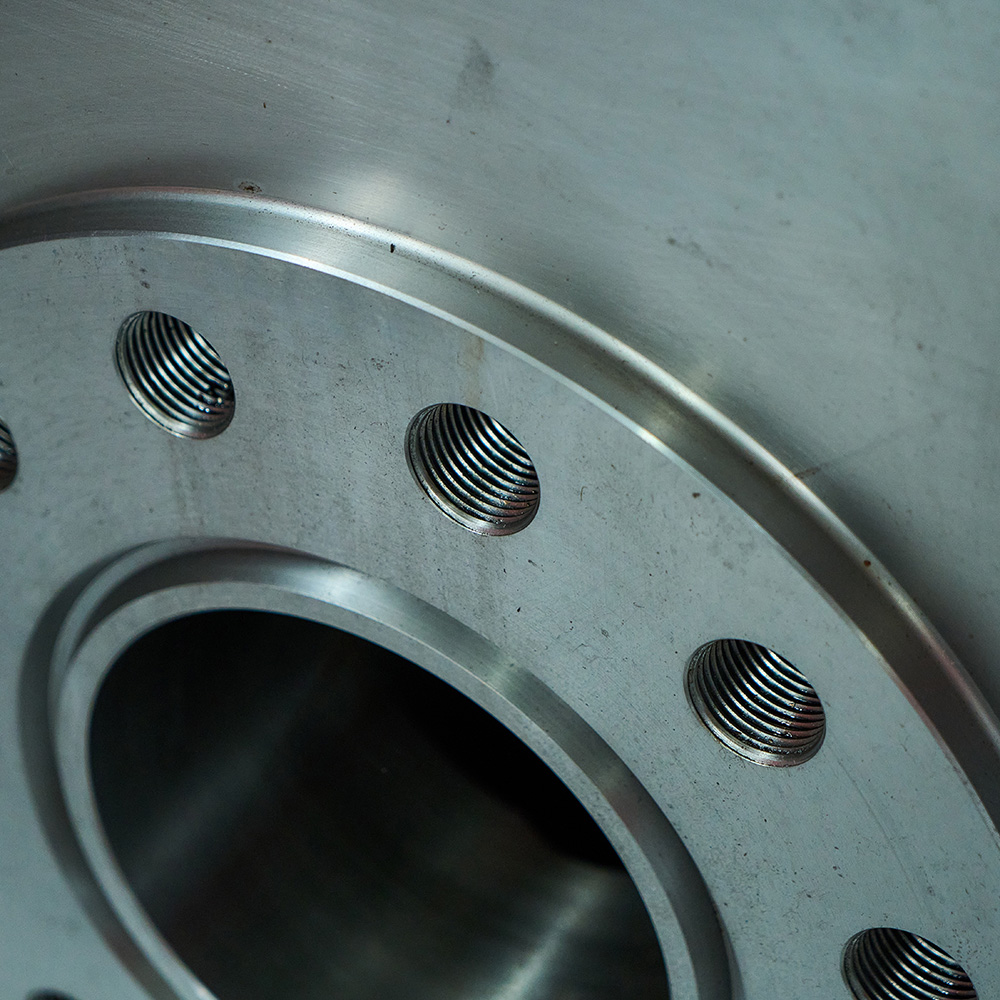
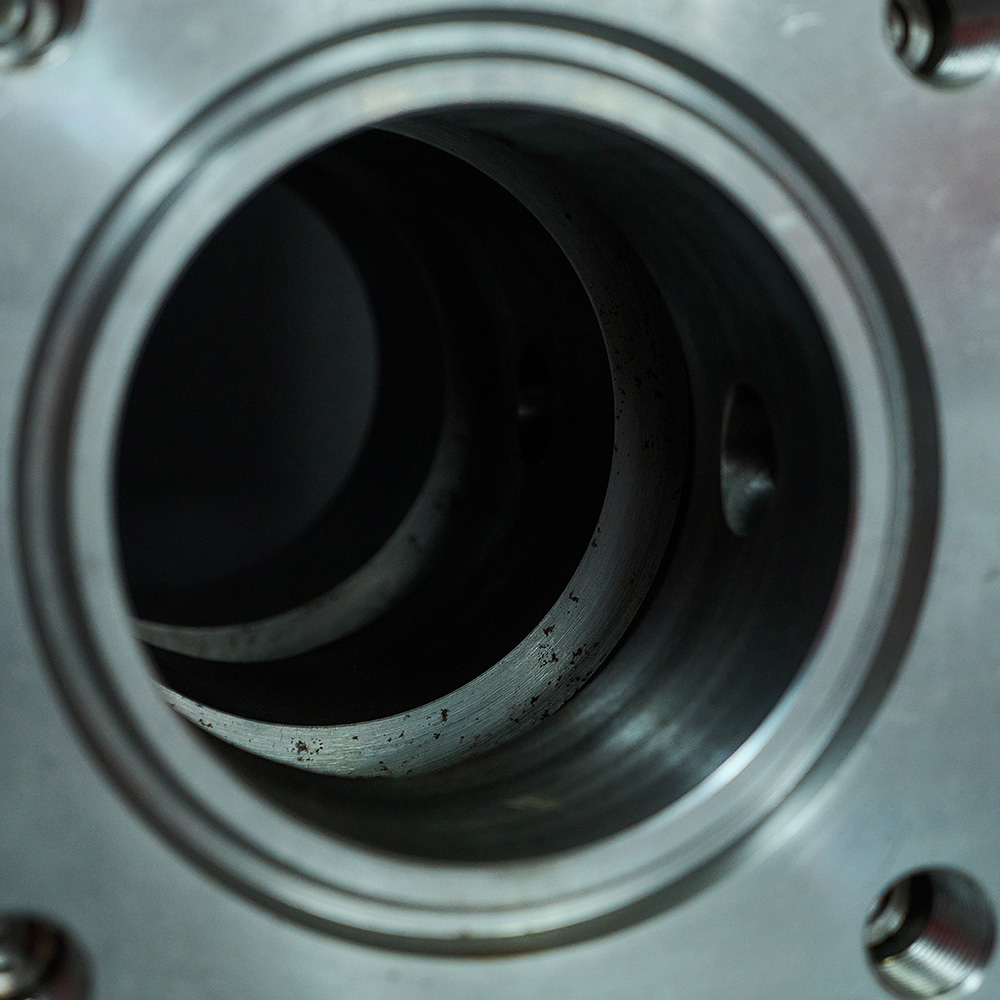
Detail Pictures:

Our Service:



