

Essential details
Quantity(pieces):40
Shipping:Land transport, Sea transport
Product Introduction
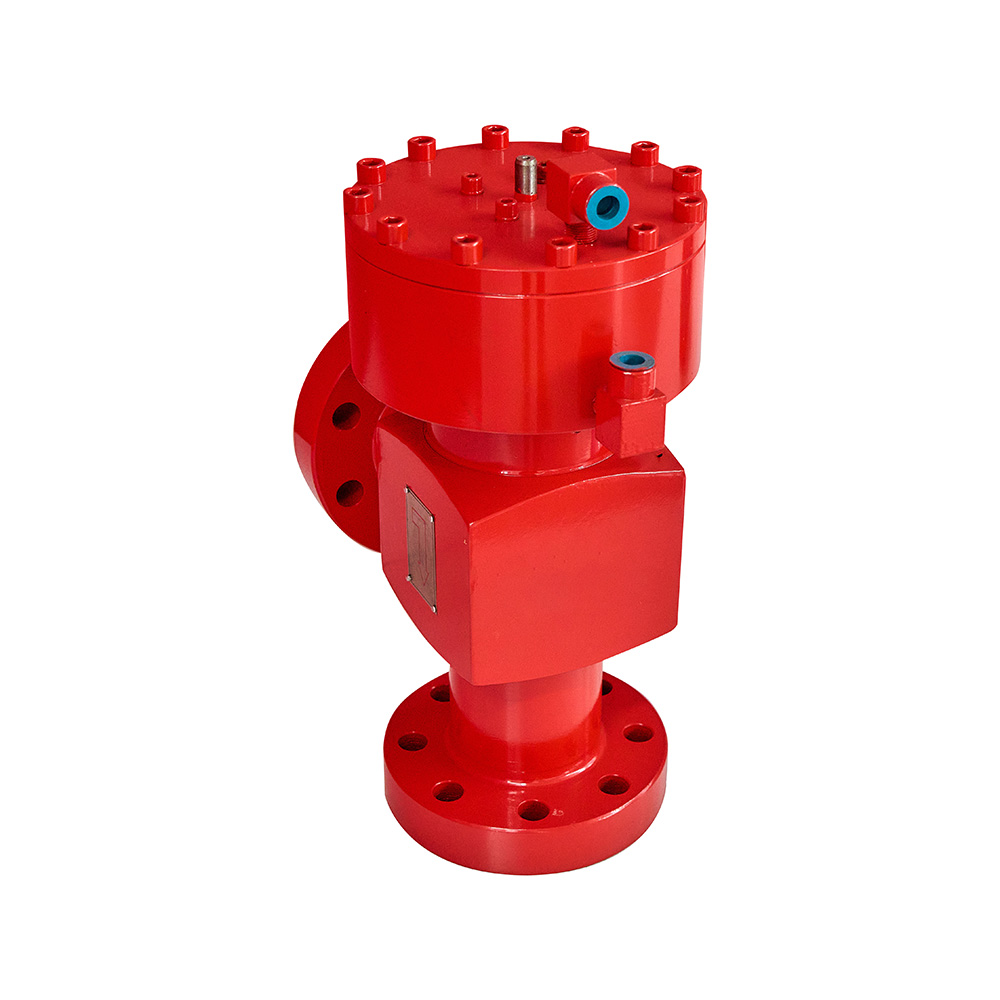
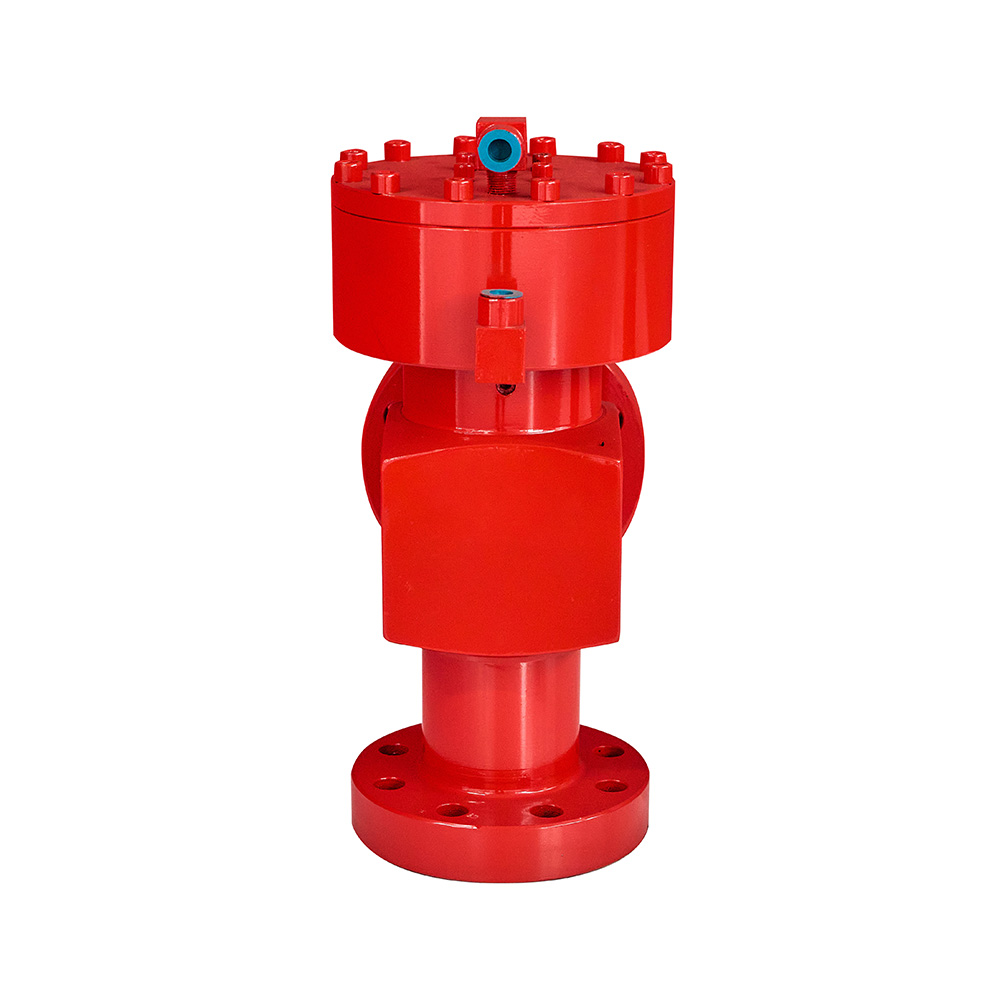
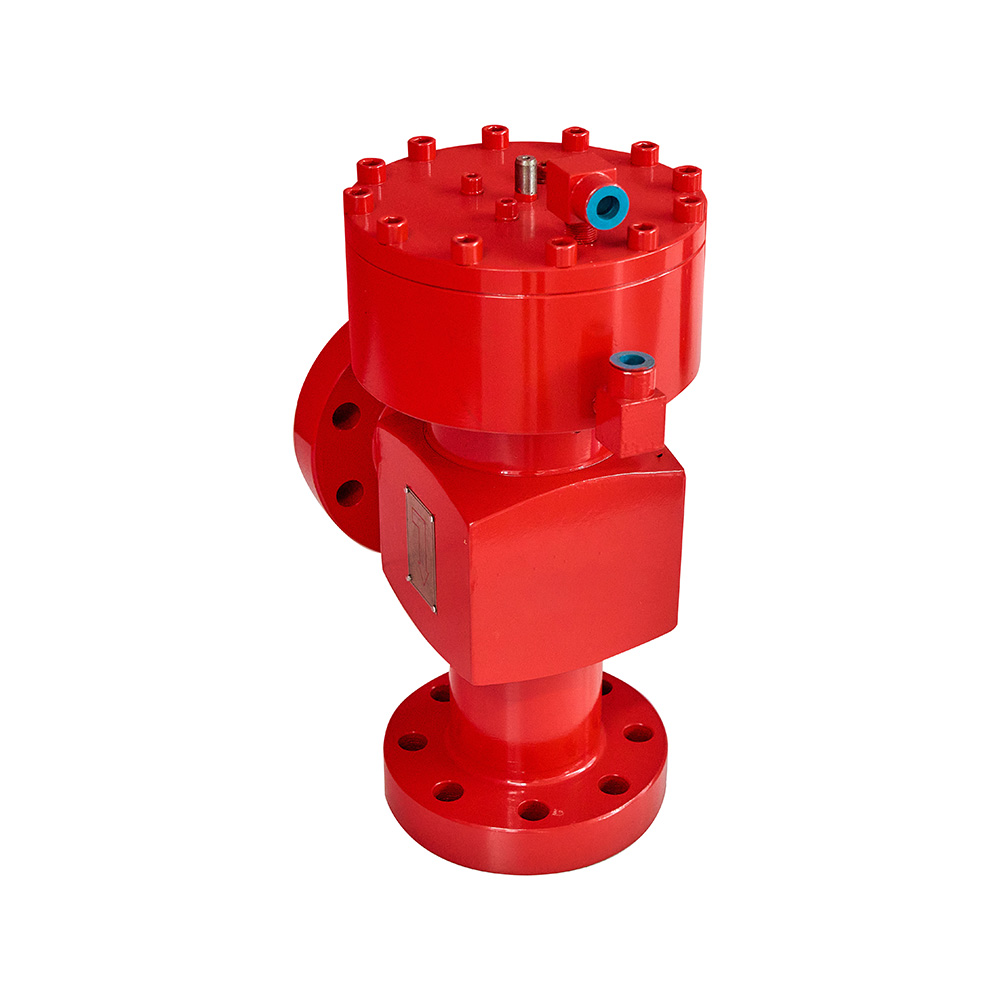
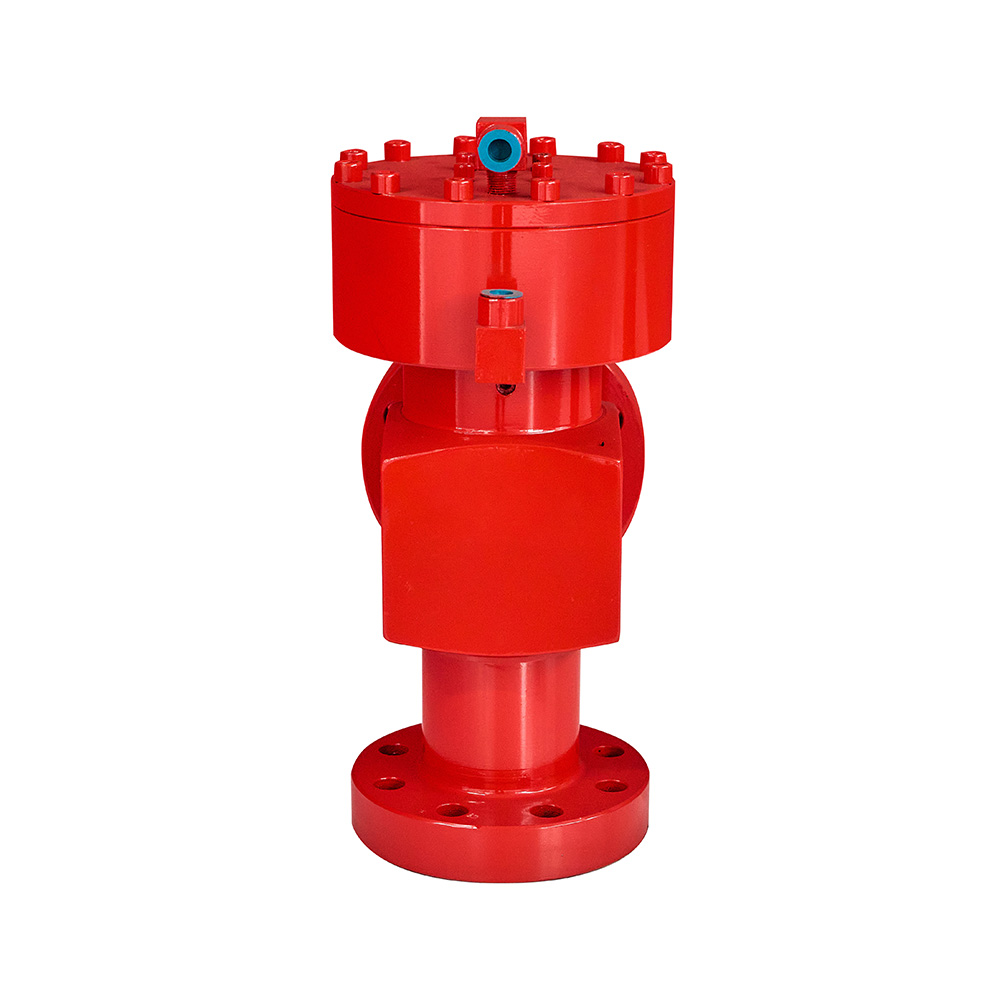
Product introduction of hydraulic throttle valve:
Working principle
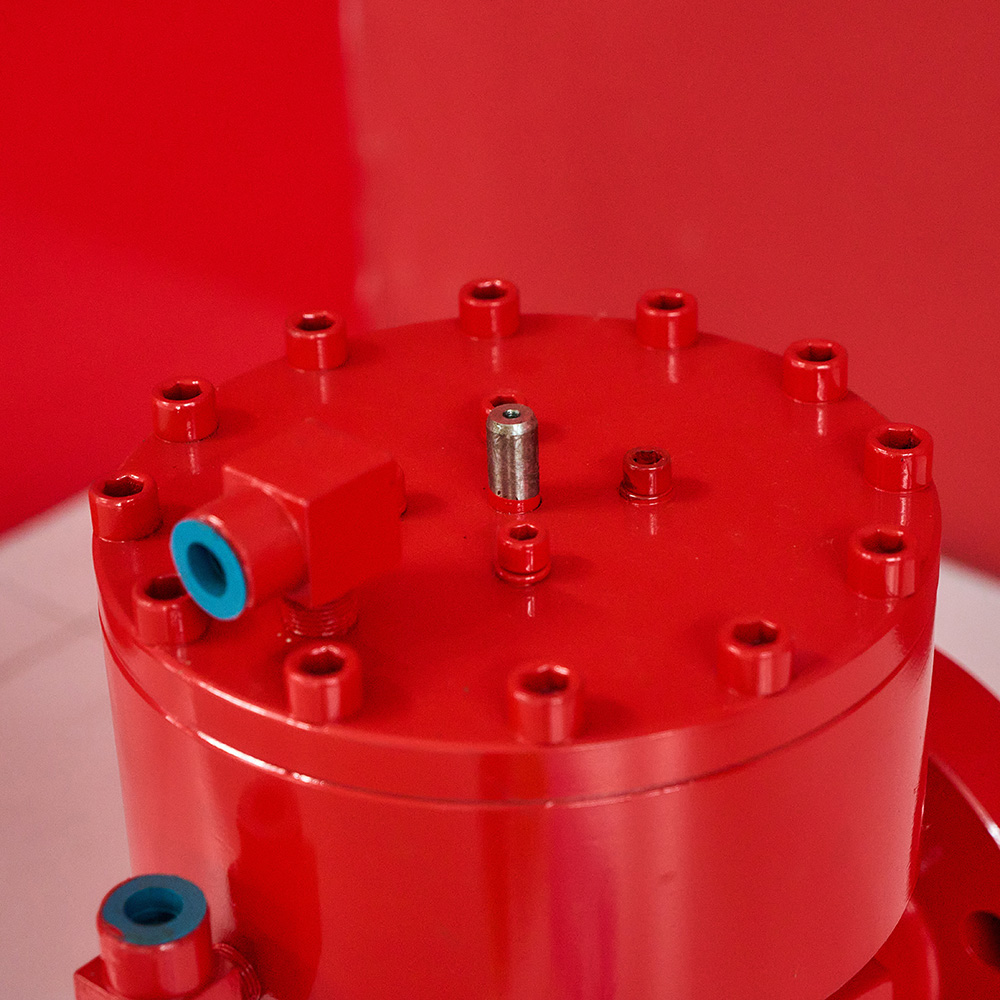
The hydraulic throttle valve controls the movement of the valve core through the hydraulic drive system, thereby changing the flow area of the throttle port to achieve the regulation of fluid flow and pressure.
The hydraulic throttle valve controls the movement of the valve core through the hydraulic drive system, thereby changing the flow area of the throttle port to achieve the regulation of fluid flow and pressure.
Structural features
Material of key components: The key components are made of cemented carbide, which has the characteristics of high hardness, wear resistance, and erosion resistance. It can effectively resist the erosion of particles in the fluid and greatly improve the service life of the product. For example, in some high-pressure and high-sand oil wells, the cemented carbide valve core can work stably for a long time.
Surface treatment process: Parts of the valve body prone to erosion undergo special surface treatment processes, such as spraying wear-resistant coatings and chemical plating. This enhances the erosion resistance of the valve body, reduces fluid-induced wear, and minimizes the risk of leakage.
Material of key components: The key components are made of cemented carbide, which has the characteristics of high hardness, wear resistance, and erosion resistance. It can effectively resist the erosion of particles in the fluid and greatly improve the service life of the product. For example, in some high-pressure and high-sand oil wells, the cemented carbide valve core can work stably for a long time.
Surface treatment process: Parts of the valve body prone to erosion undergo special surface treatment processes, such as spraying wear-resistant coatings and chemical plating. This enhances the erosion resistance of the valve body, reduces fluid-induced wear, and minimizes the risk of leakage.
Performance parameters
Rated working pressure: Typically ranges between 69.0MPa and 138.0MPa (10000psi and 20000psi), capable of meeting requirements under high-pressure conditions, such as deep-sea oil extraction, high-pressure chemical pipelines, and other fields.
Nominal diameter: Common specifications include 2", 3", etc. Different nominal diameters are suitable for pipeline systems with different flow requirements to ensure that the fluid can pass through the throttle valve smoothly and avoid excessive pressure loss.
Working temperature: The working temperature range is generally -29℃~121℃ (PU), -46℃~121℃ (LU) or -20℉~250℉ (PU), -50℉~250℉ (LU). It can adapt to a wide range of temperature environments and can be used in oil and gas extraction and transportation projects under different climatic conditions such as cold polar regions or high-temperature desert regions.
Rated working pressure: Typically ranges between 69.0MPa and 138.0MPa (10000psi and 20000psi), capable of meeting requirements under high-pressure conditions, such as deep-sea oil extraction, high-pressure chemical pipelines, and other fields.
Nominal diameter: Common specifications include 2", 3", etc. Different nominal diameters are suitable for pipeline systems with different flow requirements to ensure that the fluid can pass through the throttle valve smoothly and avoid excessive pressure loss.
Working temperature: The working temperature range is generally -29℃~121℃ (PU), -46℃~121℃ (LU) or -20℉~250℉ (PU), -50℉~250℉ (LU). It can adapt to a wide range of temperature environments and can be used in oil and gas extraction and transportation projects under different climatic conditions such as cold polar regions or high-temperature desert regions.
Applicable working conditions and scope
Applicable working conditions: Applicable to standard working conditions and harsh working conditions containing corrosive media such as H₂S. In the exploitation of sulfur-containing oil and gas fields, hydraulic throttle valves can effectively resist the corrosion of H₂S, ensuring the normal operation of valves and the safety of pipeline systems.
Application range: Widely used in oil and gas extraction and related engineering fields such as fracturing, cementing, acidizing, and testing pipelines. In fracturing operations, the flow and pressure of the fracturing fluid can be accurately controlled to ensure the fracturing effect; in the cementing process, the injection flow of the cement slurry can be adjusted to ensure the cementing quality.
Applicable working conditions: Applicable to standard working conditions and harsh working conditions containing corrosive media such as H₂S. In the exploitation of sulfur-containing oil and gas fields, hydraulic throttle valves can effectively resist the corrosion of H₂S, ensuring the normal operation of valves and the safety of pipeline systems.
Application range: Widely used in oil and gas extraction and related engineering fields such as fracturing, cementing, acidizing, and testing pipelines. In fracturing operations, the flow and pressure of the fracturing fluid can be accurately controlled to ensure the fracturing effect; in the cementing process, the injection flow of the cement slurry can be adjusted to ensure the cementing quality.
Product advantages
Accurate adjustment: Compared with manual throttle valves, hydraulic throttle valves can achieve more accurate flow and pressure regulation. Through the hydraulic control system, the position of the valve core can be fine-tuned according to actual needs, meeting the requirements of fine chemical production, aerospace, and other fields with high flow and pressure control accuracy.
Fast response: The hydraulic drive has the characteristic of fast response, which can realize the action of the valve core in a short time, thereby quickly adjusting the flow and pressure. In some emergency situations, such as pipeline leakage, sudden pressure changes, etc., the hydraulic throttle valve can respond quickly to protect the safety of the pipeline system and equipment.
Remote control: It can be integrated with the remote control system to achieve remote operation and monitoring. In large petrochemical plants, long-distance pipelines, and other scenarios, operators can adjust and monitor the hydraulic throttle valve without being on-site, which improves work efficiency and safety.
End connection method
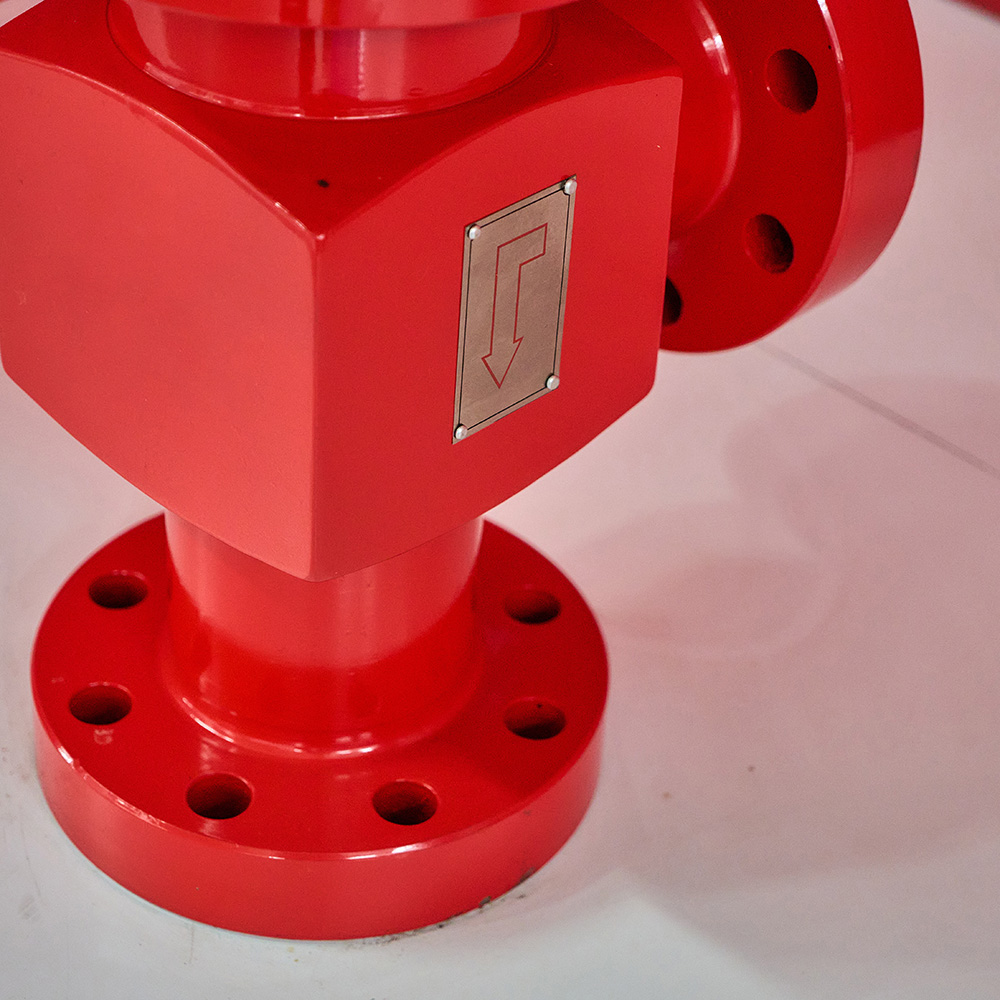
At present, the end connection method of hydraulic throttle valve is generally a union connection. This connection method has the advantages of reliable connection, good sealing, easy installation and disassembly, and can adapt to high-pressure and high-vibration working environments. It is widely used in pipeline connections in the oil, natural gas and other industries.
Maintenance
Regular inspection: Periodically check the oil quality, liquid level, and pressure of the hydraulic drive system to ensure its normal operation. Simultaneously, inspect key components like the valve core and valve seat for wear. Replace them promptly if wear is detected.
Cleaning and lubrication: Regularly clean dirt and impurities inside and outside the valve body to prevent them from entering the hydraulic system or affecting the normal movement of the valve core. Properly lubricate the moving parts of the hydraulic system to reduce friction and wear.
Accurate adjustment: Compared with manual throttle valves, hydraulic throttle valves can achieve more accurate flow and pressure regulation. Through the hydraulic control system, the position of the valve core can be fine-tuned according to actual needs, meeting the requirements of fine chemical production, aerospace, and other fields with high flow and pressure control accuracy.
Fast response: The hydraulic drive has the characteristic of fast response, which can realize the action of the valve core in a short time, thereby quickly adjusting the flow and pressure. In some emergency situations, such as pipeline leakage, sudden pressure changes, etc., the hydraulic throttle valve can respond quickly to protect the safety of the pipeline system and equipment.
Remote control: It can be integrated with the remote control system to achieve remote operation and monitoring. In large petrochemical plants, long-distance pipelines, and other scenarios, operators can adjust and monitor the hydraulic throttle valve without being on-site, which improves work efficiency and safety.
End connection method
At present, the end connection method of hydraulic throttle valve is generally a union connection. This connection method has the advantages of reliable connection, good sealing, easy installation and disassembly, and can adapt to high-pressure and high-vibration working environments. It is widely used in pipeline connections in the oil, natural gas and other industries.
Maintenance
Regular inspection: Periodically check the oil quality, liquid level, and pressure of the hydraulic drive system to ensure its normal operation. Simultaneously, inspect key components like the valve core and valve seat for wear. Replace them promptly if wear is detected.
Cleaning and lubrication: Regularly clean dirt and impurities inside and outside the valve body to prevent them from entering the hydraulic system or affecting the normal movement of the valve core. Properly lubricate the moving parts of the hydraulic system to reduce friction and wear.
Product Parameters:
| Product name | Hydraulic throttle valve |
| Specification model | 2 9/16 |
| Implementation standard | API 6A |
| Rated working pressure | 15000psi |
| Product specification level | PSL1~PSL3G |
| Product performance level | PR1~PR2 |
| Temperature level | PU, LU |
| Material level | AA~FF |
| Product color | red |
As a petroleum machinery manufacturer, our company also produces Blowout Preventer, Manifold, Cellar Connection, Valve, Pipe Fitting and Control Apparatus, etc.
If you need, please contact us.
If you need, please contact us.
Detail Pictures:
Our Service:

Product details


