Essential details
Quantity(pieces):40
Shipping:Land transport, Sea transport
Product Introduction
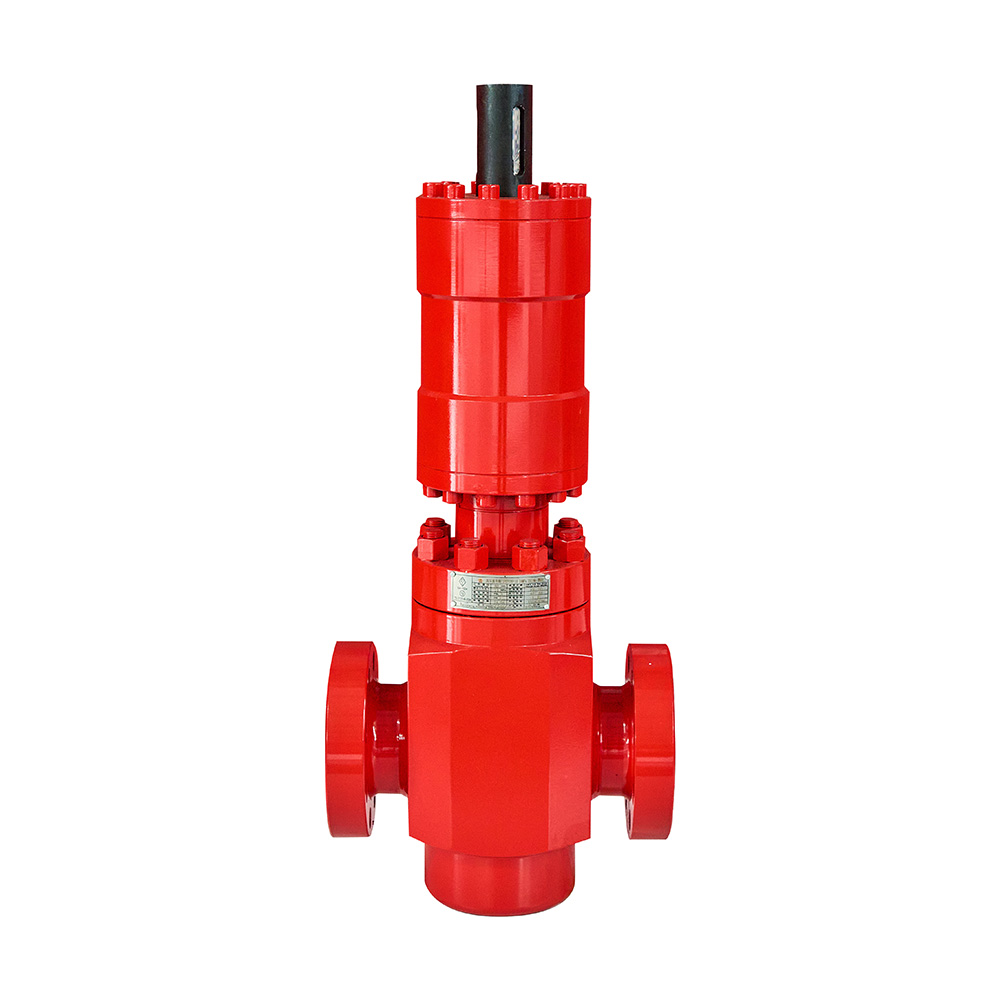
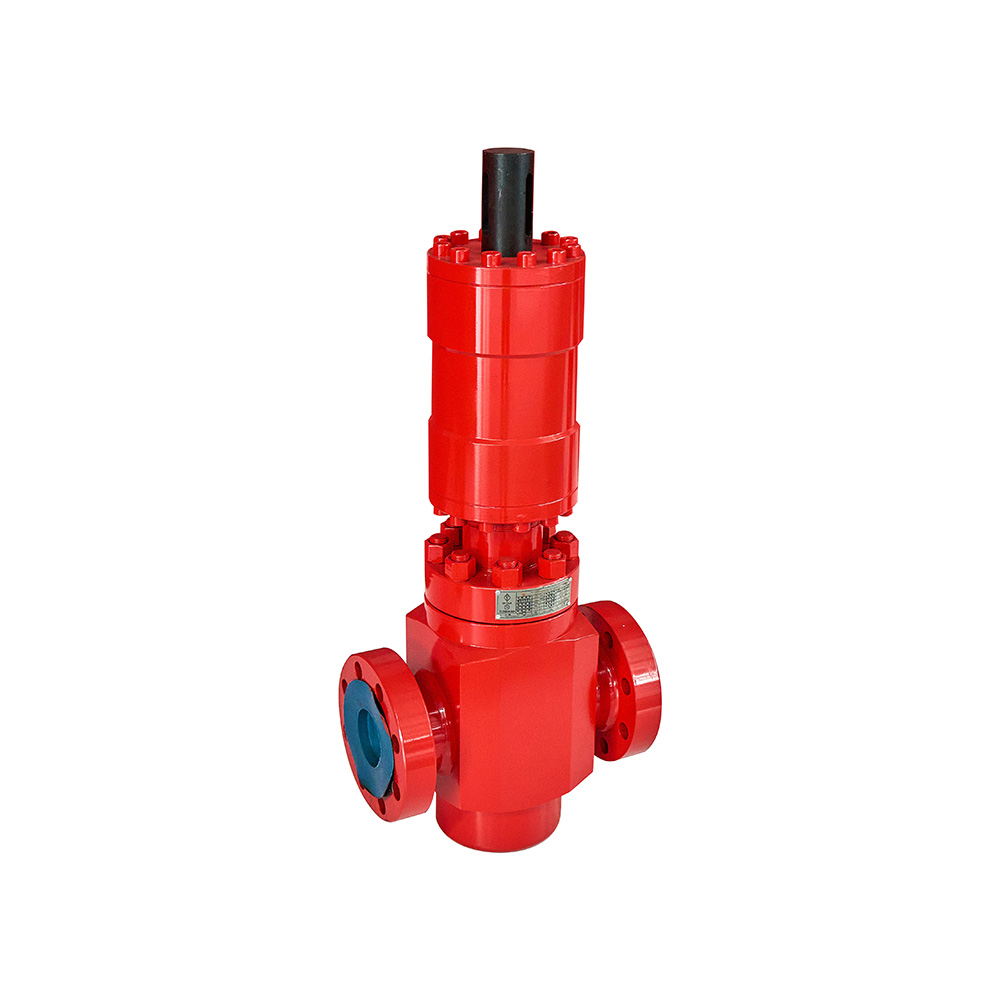
The working principle of the hydraulic flat valve is as follows:
Opening Process
When the hydraulic control system supplies hydraulic oil to the cylinder of the hydraulic flat valve, the hydraulic oil enters a specific chamber within the cylinder, causing the piston to move. The piston is connected to the valve stem via a piston rod or another transmission mechanism, and the piston's movement drives the valve stem to move up or down. The movement of the valve stem causes the flat valve plate attached to it to disengage from the valve seat, thereby opening the valve and allowing fluid to flow through the valve channel. During the opening process, the degree to which the hydraulic flat valve opens is typically influenced by factors such as the pressure and flow rate of the hydraulic oil, as well as the piston's stroke. By precisely controlling these parameters, accurate adjustment of the valve opening can be achieved.
When the hydraulic control system supplies hydraulic oil to the cylinder of the hydraulic flat valve, the hydraulic oil enters a specific chamber within the cylinder, causing the piston to move. The piston is connected to the valve stem via a piston rod or another transmission mechanism, and the piston's movement drives the valve stem to move up or down. The movement of the valve stem causes the flat valve plate attached to it to disengage from the valve seat, thereby opening the valve and allowing fluid to flow through the valve channel. During the opening process, the degree to which the hydraulic flat valve opens is typically influenced by factors such as the pressure and flow rate of the hydraulic oil, as well as the piston's stroke. By precisely controlling these parameters, accurate adjustment of the valve opening can be achieved.
Closing process
When the valve needs to be closed, the hydraulic control system changes the flow direction or pressure of the hydraulic oil to make the piston in the cylinder move in the opposite direction. The piston drives the valve stem and the flat valve plate to move toward the valve seat. When the valve plate fits tightly against the valve seat, the valve closes and cuts off the passage of the fluid. In order to ensure a good sealing effect, hydraulic flat valves are usually equipped with seals between the valve plate and the valve seat, such as rubber sealing rings, metal sealing surfaces, etc. When the valve plate is closed, these seals will form a reliable seal between the valve plate and the valve seat to prevent fluid leakage.
When the valve needs to be closed, the hydraulic control system changes the flow direction or pressure of the hydraulic oil to make the piston in the cylinder move in the opposite direction. The piston drives the valve stem and the flat valve plate to move toward the valve seat. When the valve plate fits tightly against the valve seat, the valve closes and cuts off the passage of the fluid. In order to ensure a good sealing effect, hydraulic flat valves are usually equipped with seals between the valve plate and the valve seat, such as rubber sealing rings, metal sealing surfaces, etc. When the valve plate is closed, these seals will form a reliable seal between the valve plate and the valve seat to prevent fluid leakage.
Steady-State Process
When the valve is opened to a certain extent and remains stable, the hydraulic control system will maintain the hydraulic oil pressure and flow in the cylinder stable, so that the piston and valve stem are in a relatively static state, thereby ensuring that the valve opening remains unchanged and the fluid passes through the valve at a stable flow rate. In the steady-state process, the hydraulic flat valve can withstand certain changes in fluid pressure and flow. Through the automatic adjustment function of the hydraulic control system, the valve opening can be adjusted in time to adapt to different working conditions.
When the valve is opened to a certain extent and remains stable, the hydraulic control system will maintain the hydraulic oil pressure and flow in the cylinder stable, so that the piston and valve stem are in a relatively static state, thereby ensuring that the valve opening remains unchanged and the fluid passes through the valve at a stable flow rate. In the steady-state process, the hydraulic flat valve can withstand certain changes in fluid pressure and flow. Through the automatic adjustment function of the hydraulic control system, the valve opening can be adjusted in time to adapt to different working conditions.
As a petroleum machinery manufacturer, our company also produces Blowout Preventer, Manifold, Cellar Connection, Valve, Pipe Fitting and Control Apparatus, etc.
If you need, please contact us.
If you need, please contact us.
Product Parameters:
| Product Name | Hydraulic Flat Valve |
| Specification Model | 3 1/16 |
| Implementation Standard | API 6A |
| Rated working pressure | 3000 psi |
| Product specification level | PSL1~PSL3G |
| Product Performance Level | PR1~PR2 |
| Temperature Level | PU, LU |
| Material level | AA~FF |
| Product color | Red |
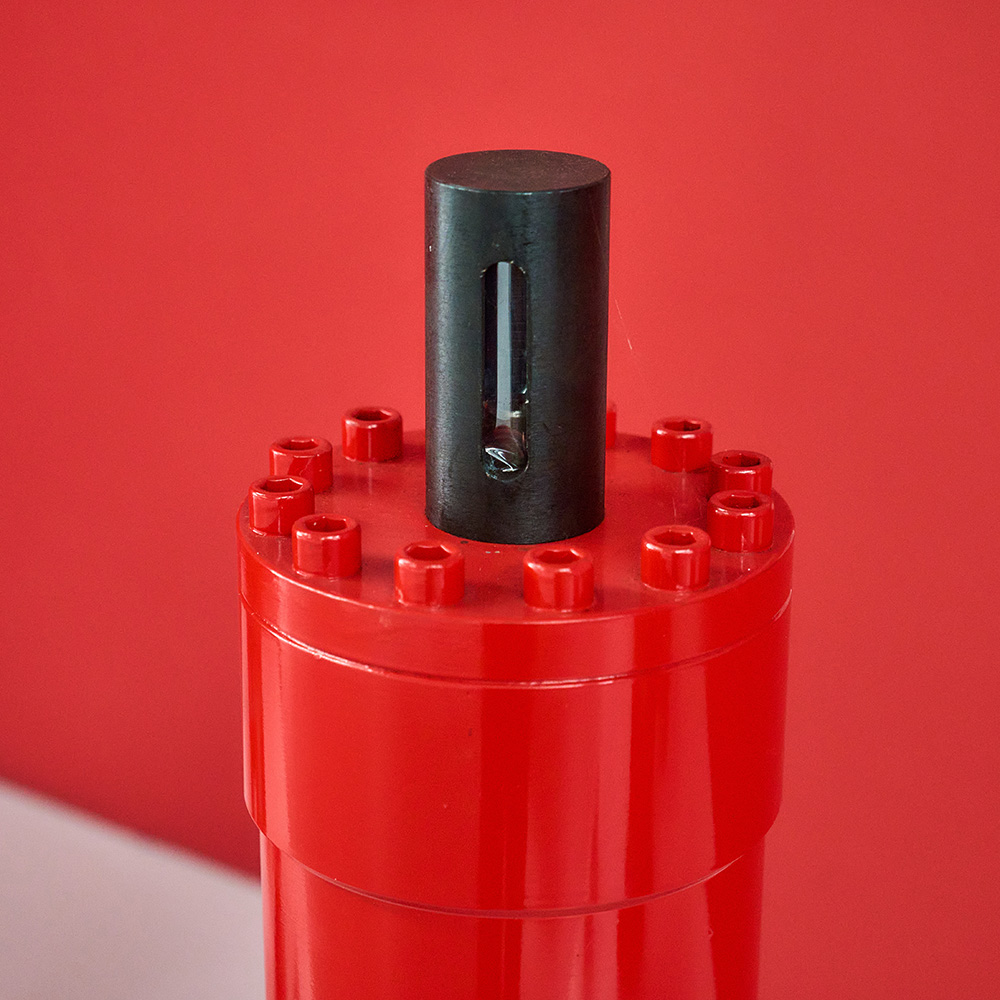
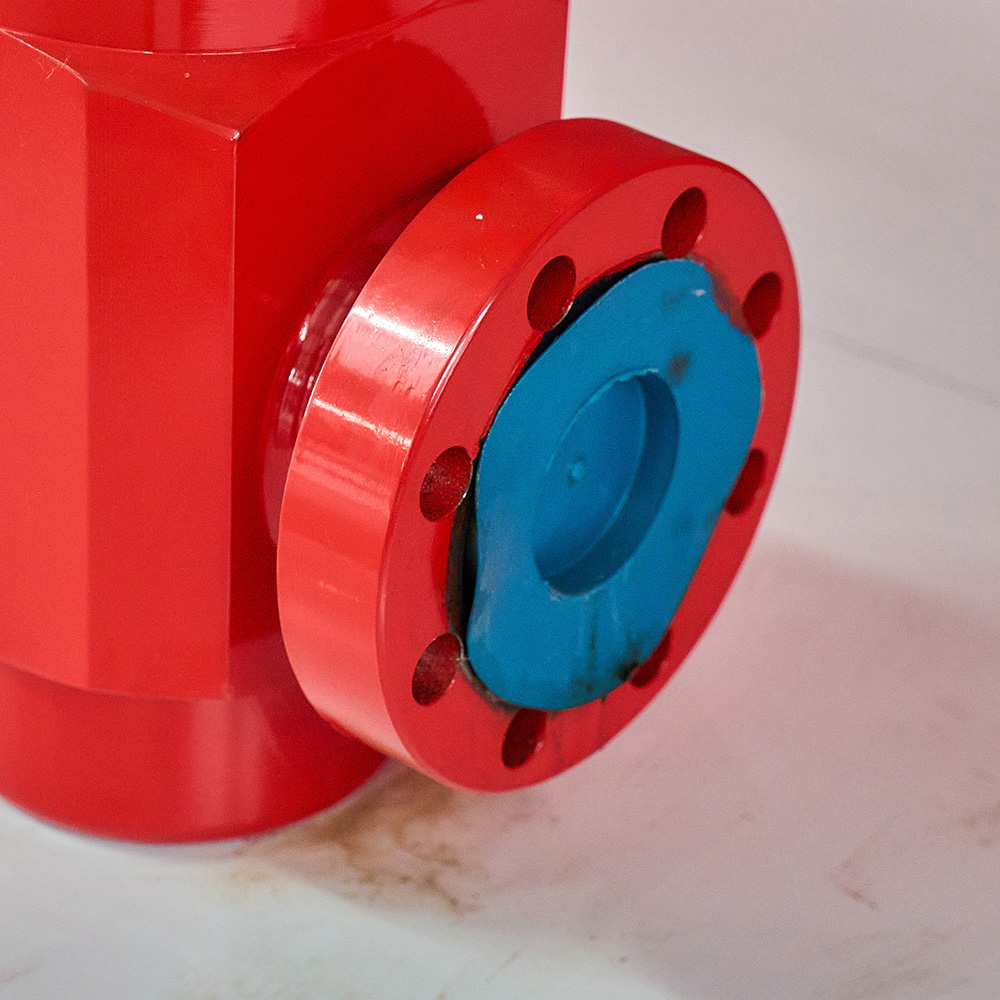
Detail Pictures:


Our Service:

Product details


