

Essential details
Quantity(pieces):32
Lead time:45 days
Shipping:Land transport, sea transport
Product Introduction
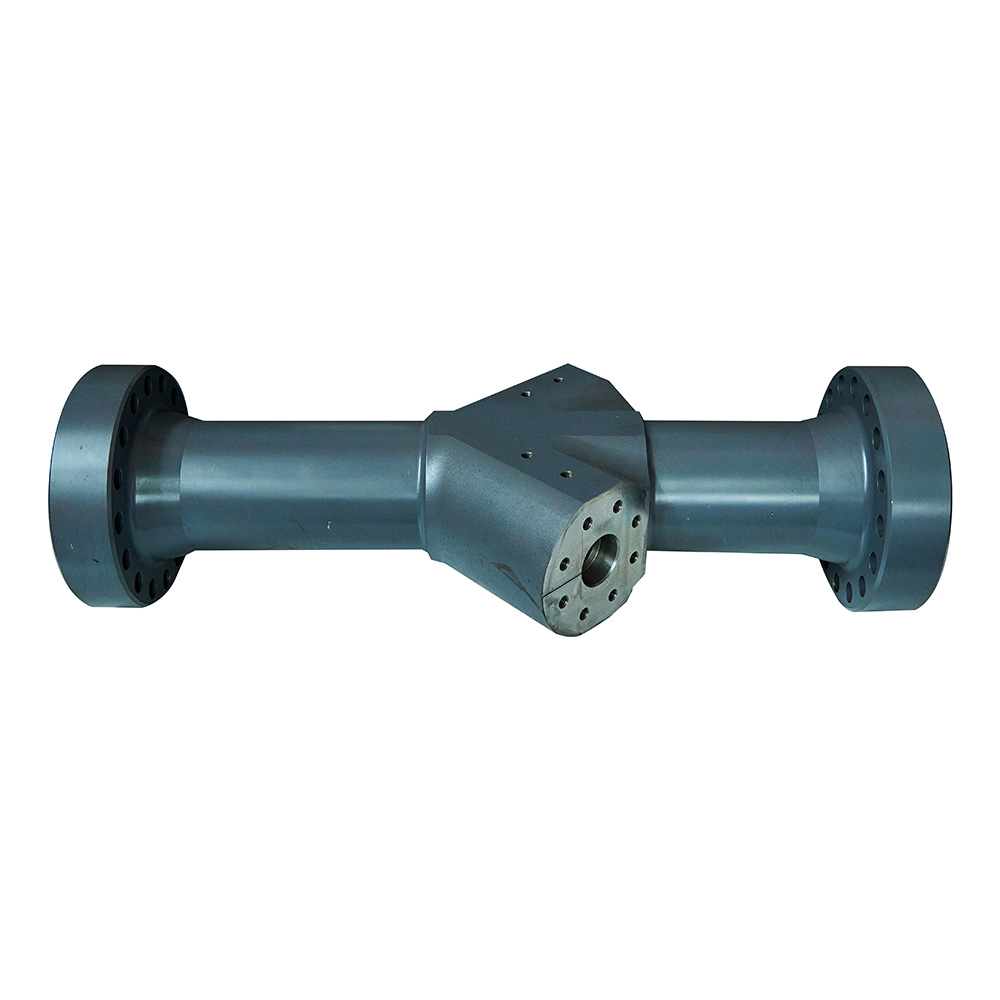
Some introductions and precautions for use of drainage cross products:
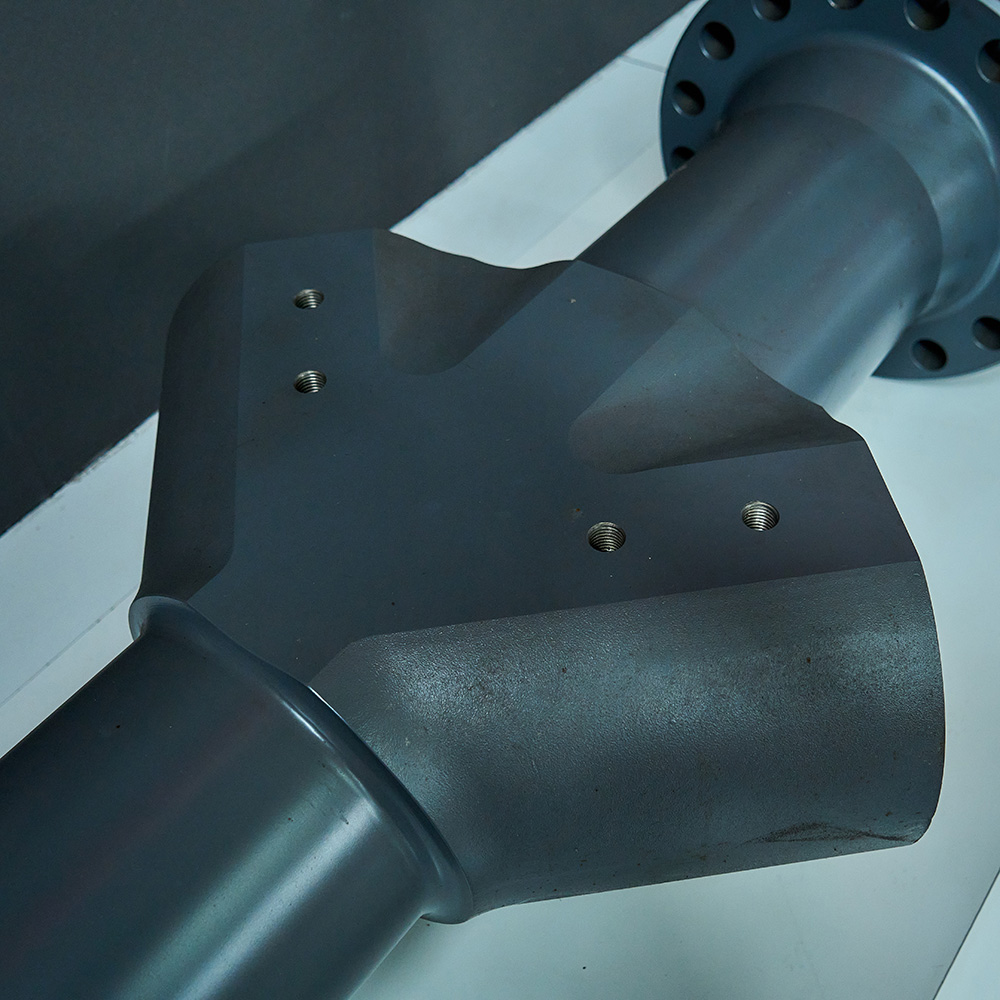
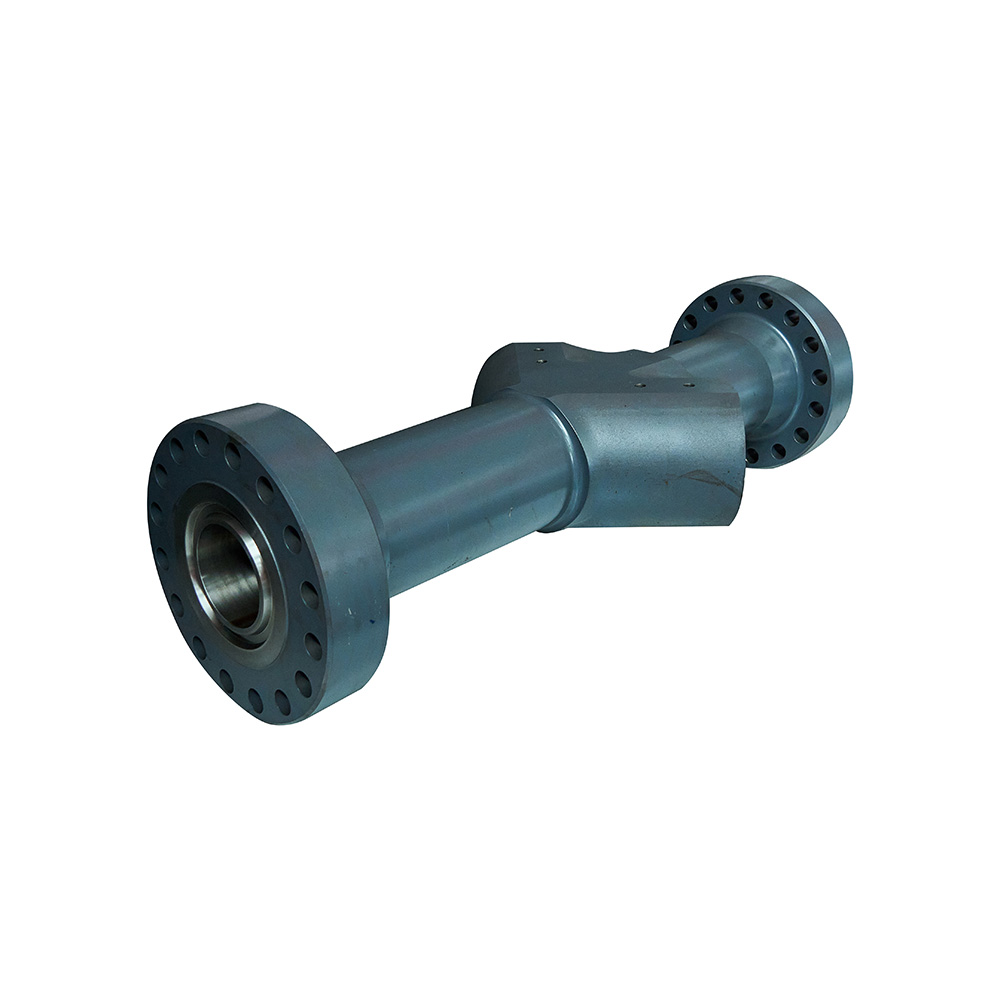
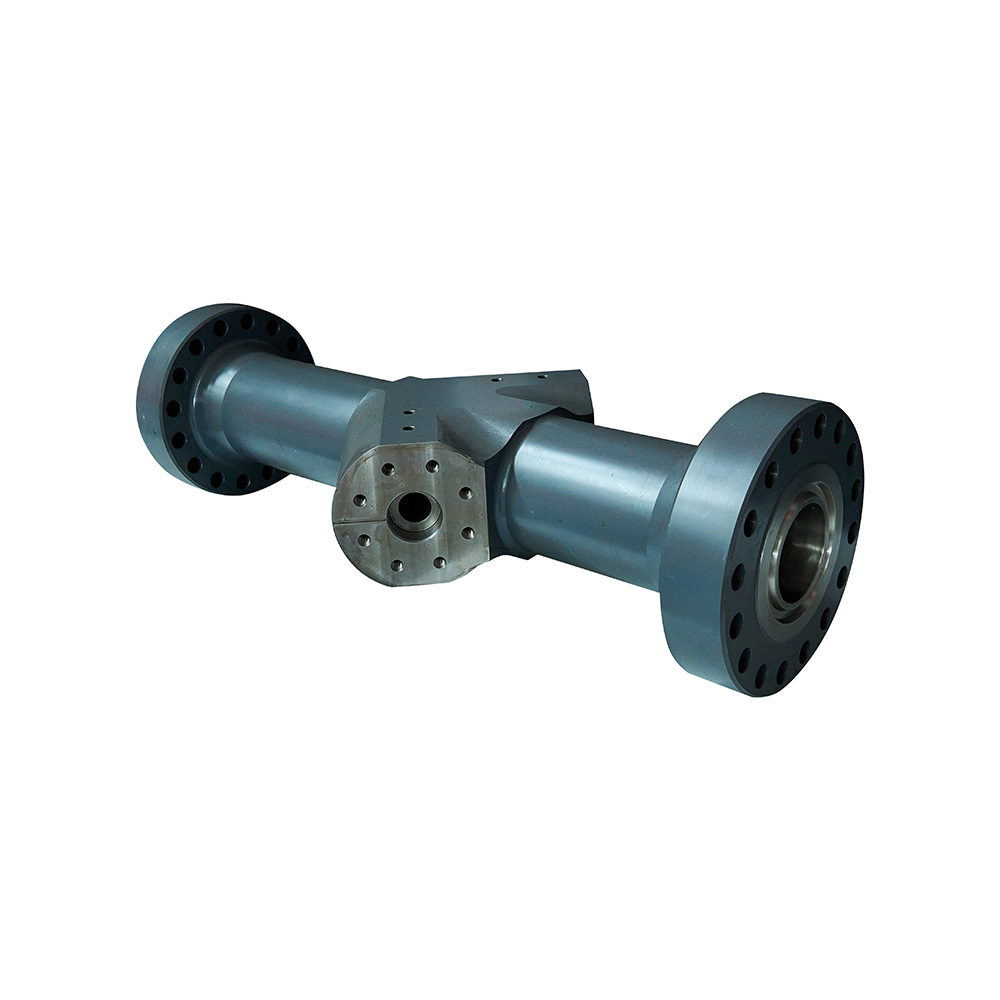
Structure and principle: The drainage cross usually has four interfaces for connecting different pipes or equipment to realize the transportation and distribution of liquids in different directions and paths. Its internal structure is designed to ensure that the liquid can flow smoothly, reduce resistance and leakage risks. Common ones include ball valve type drainage cross, which controls the opening and closing of different channels by rotating the ball to achieve flexible flow direction switching.
Structure and principle: The drainage cross usually has four interfaces for connecting different pipes or equipment to realize the transportation and distribution of liquids in different directions and paths. Its internal structure is designed to ensure that the liquid can flow smoothly, reduce resistance and leakage risks. Common ones include ball valve type drainage cross, which controls the opening and closing of different channels by rotating the ball to achieve flexible flow direction switching.
Material: Depending on the use environment and medium, the drainage cross can be made of a variety of materials. Common ones include carbon steel, which has high strength and toughness and is suitable for liquid transportation in general industrial environments; stainless steel materials, such as 304, 316 and other models, have good corrosion resistance and can be used in industries with high requirements for hygiene and corrosion resistance such as chemical, food, and medicine.
Application areas: In the chemical industry, it is used for the transportation and distribution of corrosive liquids such as various acid and alkali solutions and organic solvents; in the pharmaceutical field, it is used for operations such as liquid material transfer, mixing and distribution in the process of drug production; in the food processing industry, it can be used for liquid transportation on production lines such as beverages and dairy products to ensure the hygiene and quality of the products; in the water treatment industry, it is used for the transportation and distribution of sewage, clean water, etc., such as in the drainage system of sewage treatment plants.
Product Parameters:
| Product name | Drain cross |
| Specification model | 5 1/8 |
| Implementation standard | API 6A |
| Rated working pressure | 15000psi |
| Product specification level | PSL1~PSL3G |
| Product performance level | PR1~PR2 |
| Temperature level | PU, LU |
| Material level | AA~FF |
| Product color | Silver |
Precautions for use
Pre-installation inspection: Check whether the appearance of the drainage four-way has defects such as damage, deformation or cracks to ensure the integrity of the valve. Check whether the specifications and models of the drainage four-way are consistent with the design requirements, including caliber, pressure level, connection method, etc., to prevent installation errors. Check whether the sealing surface of the valve is flat, smooth, without scratches, wear or impurities to ensure good sealing performance.
Pre-installation inspection: Check whether the appearance of the drainage four-way has defects such as damage, deformation or cracks to ensure the integrity of the valve. Check whether the specifications and models of the drainage four-way are consistent with the design requirements, including caliber, pressure level, connection method, etc., to prevent installation errors. Check whether the sealing surface of the valve is flat, smooth, without scratches, wear or impurities to ensure good sealing performance.
Installation process: Install in the correct installation direction. Usually there will be an arrow mark on the valve body of the drainage four-way to indicate the flow direction of the liquid. Be sure to ensure that the installation direction is consistent with the process flow. Use appropriate connection methods, such as flange connection, threaded connection, etc., and ensure that the connection is firm to prevent leakage. When tightening the connecting bolts, they should be tightened evenly along the diagonal line to avoid poor sealing or damage to the valve body due to uneven force.
Operation and use: When operating the drainage four-way valve, it should be opened and closed slowly to avoid water hammer caused by too fast operation and damage to pipelines and equipment. According to actual needs, the valve opening should be reasonably adjusted to control the flow and pressure of the liquid. For some drainage four-ways that need to be operated frequently, the operating flexibility and sealing performance of the valve should be checked regularly. If there is any abnormality, it should be repaired or replaced in time.
Maintenance: Clean the drainage four-way regularly to remove internal dirt, impurities and sediment to prevent it from affecting the normal operation and sealing performance of the valve. Check whether the valve seals are aging and worn. If damaged, they should be replaced in time. Lubricate and maintain the transmission parts of the valve, such as the valve stem, handle, etc., to ensure flexible and light operation.
If you need, please contact us.
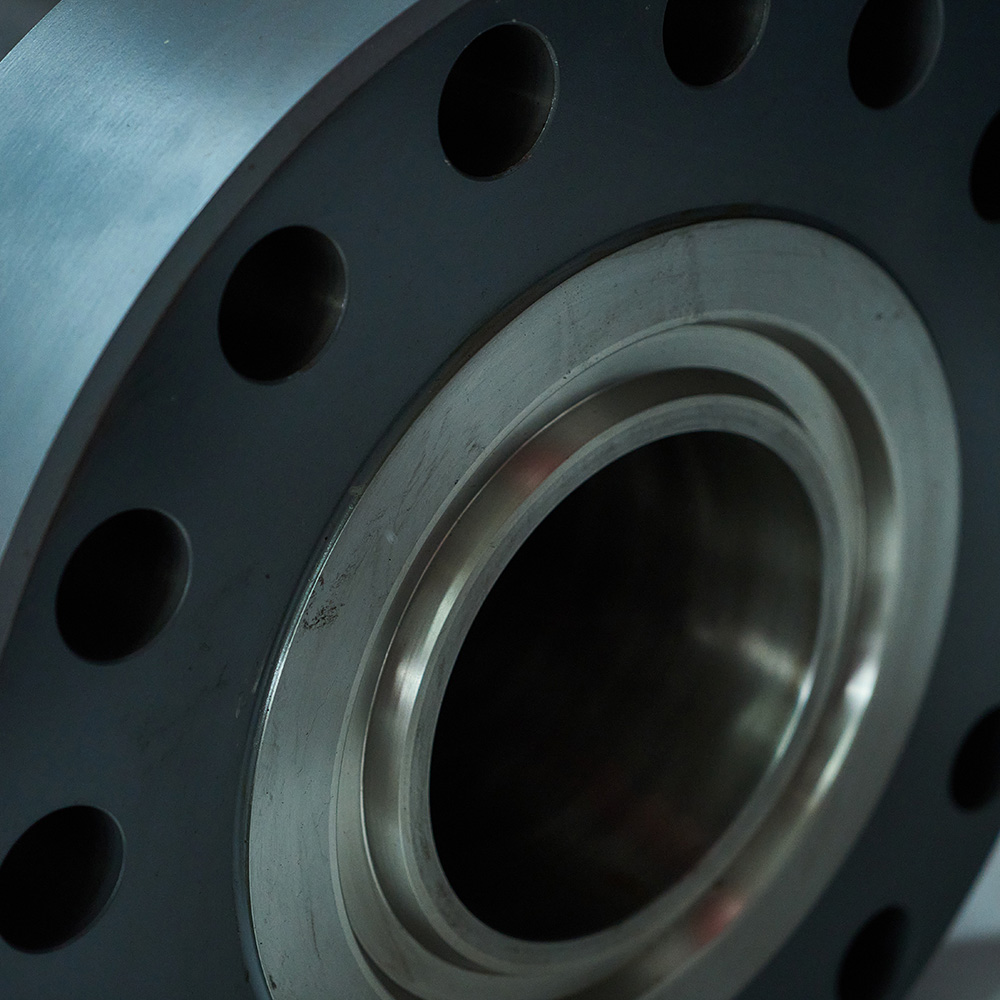
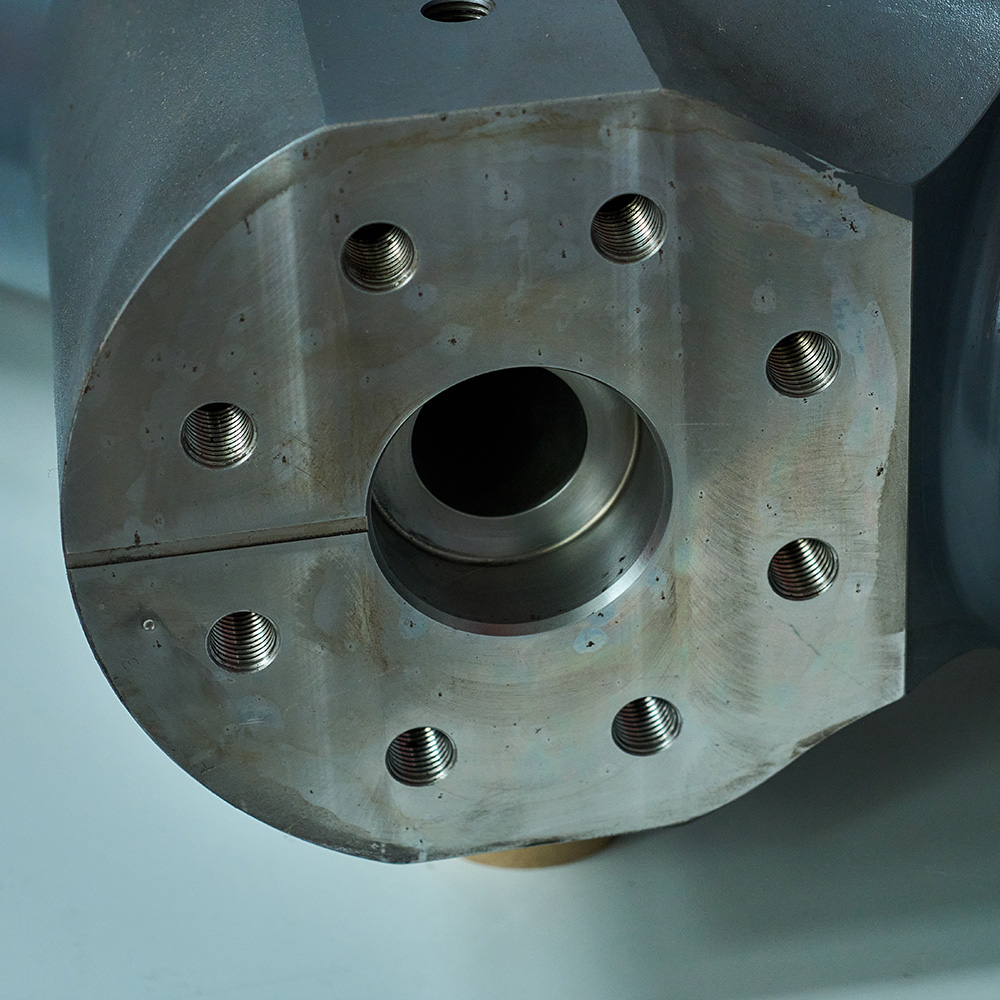
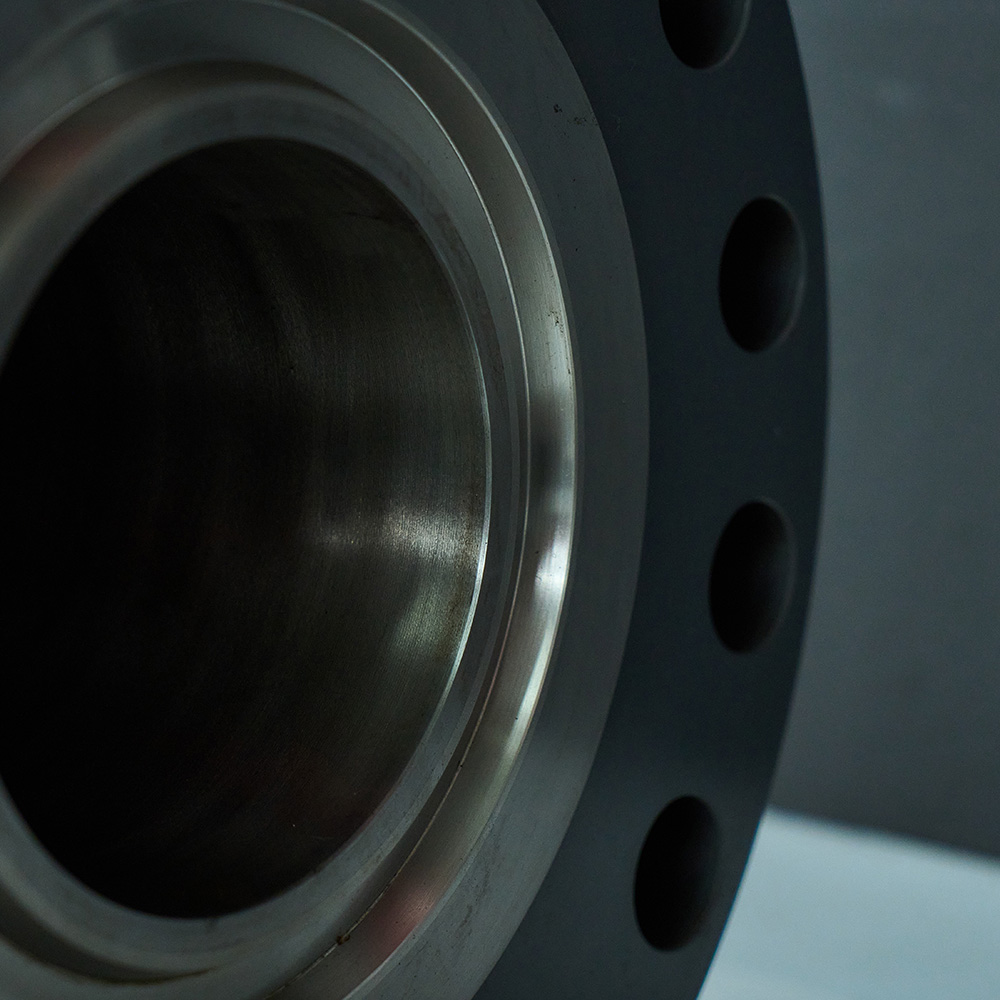
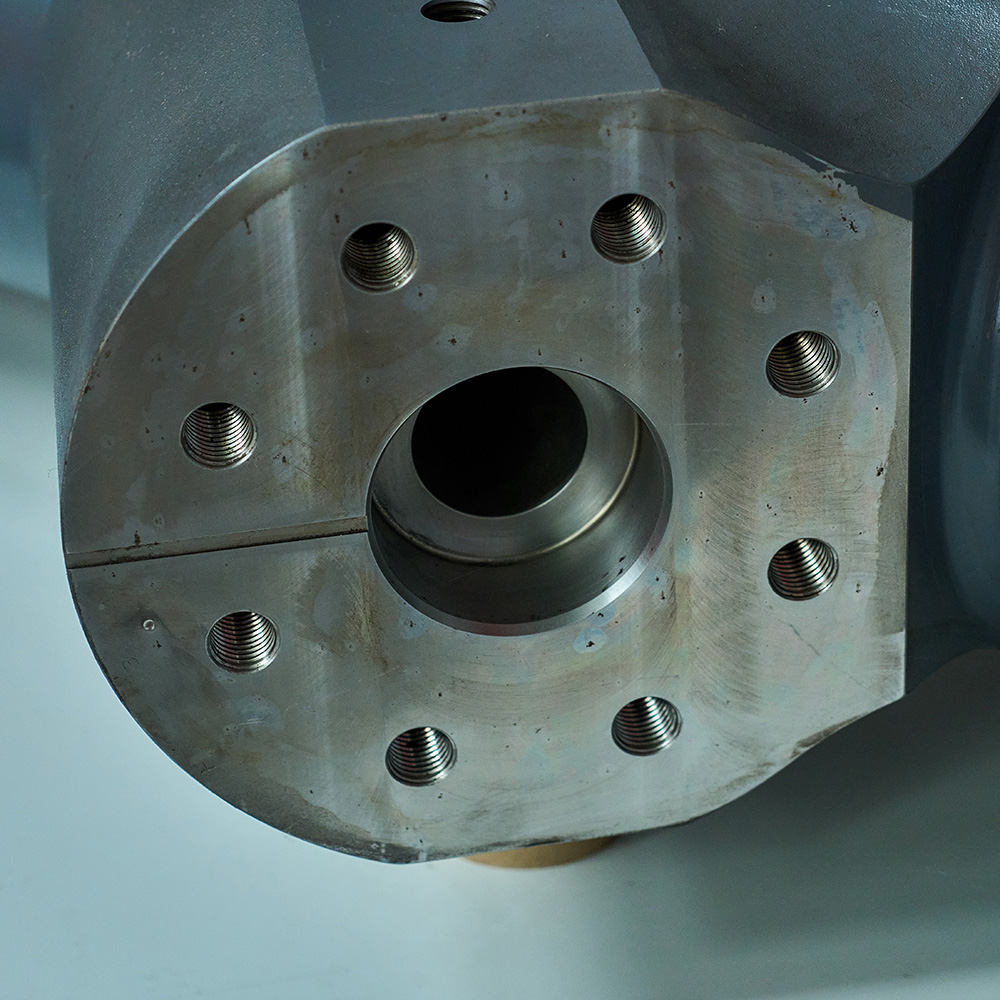
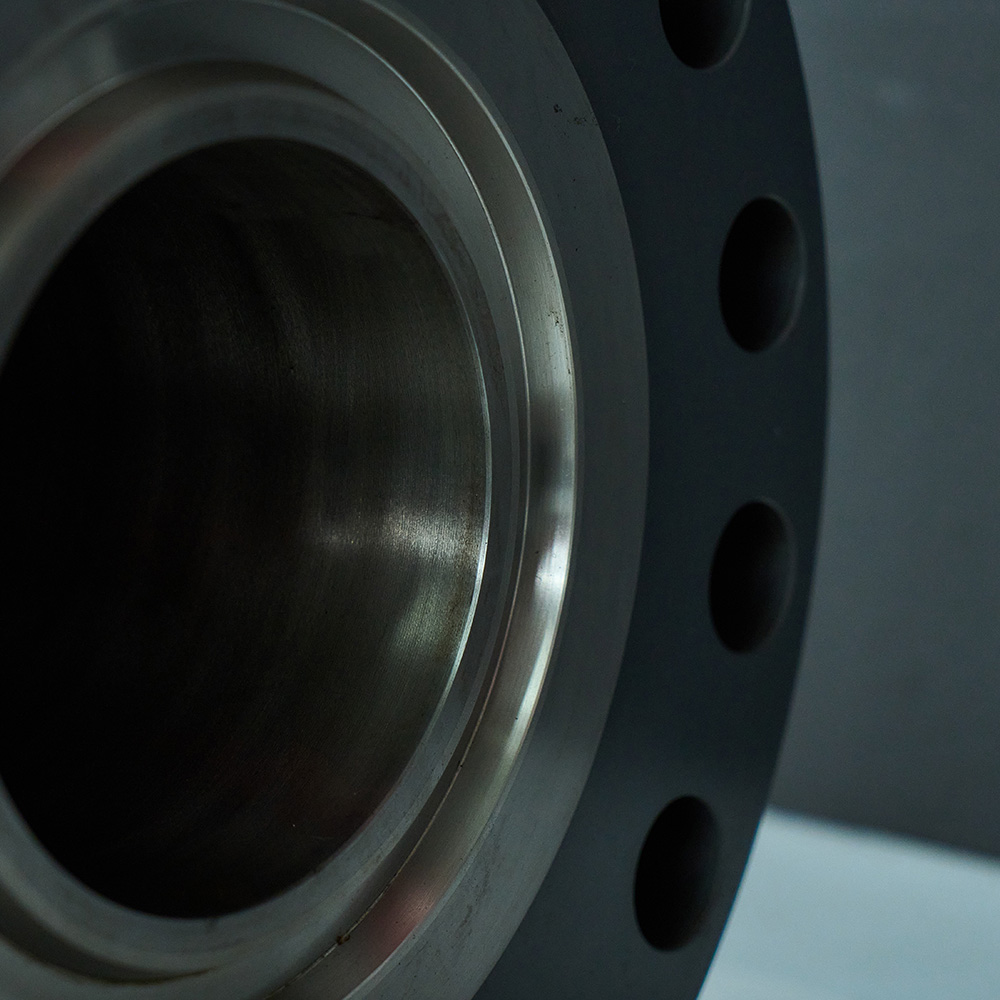
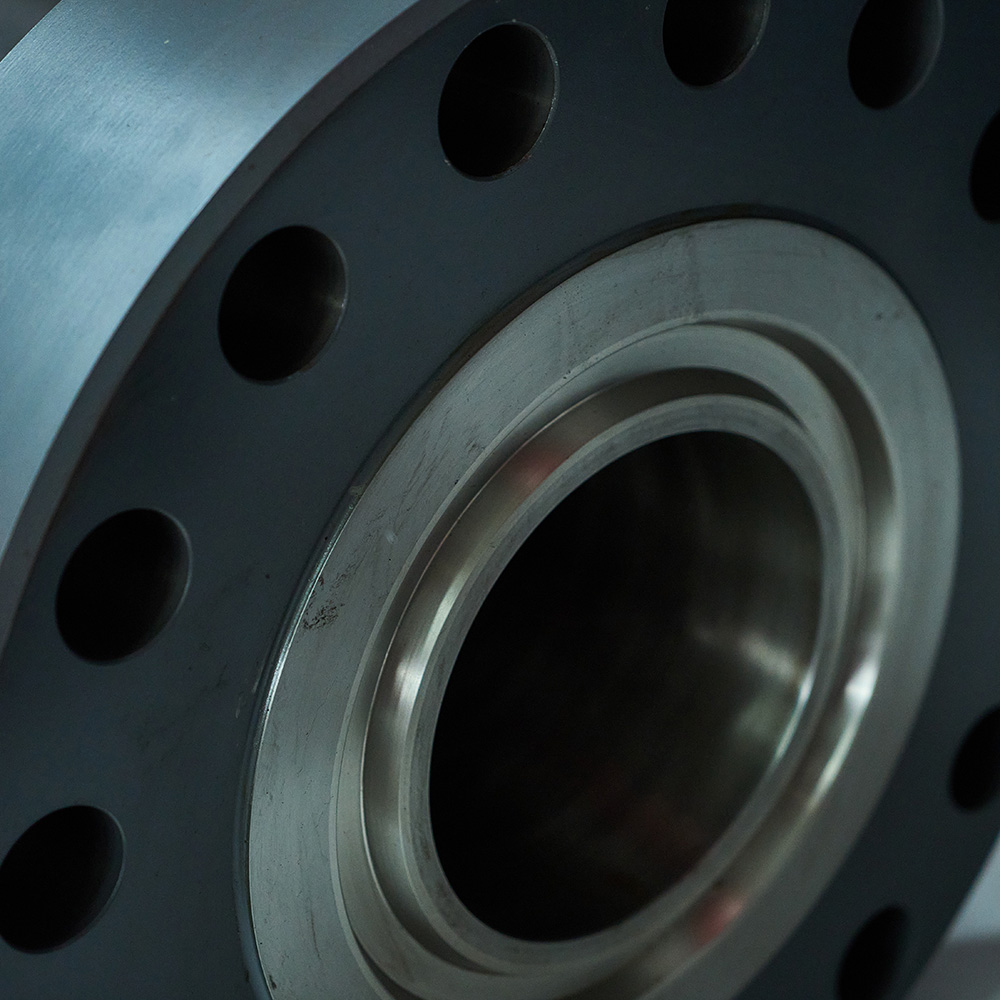
Detail Pictures:
Our Service:



